Product details
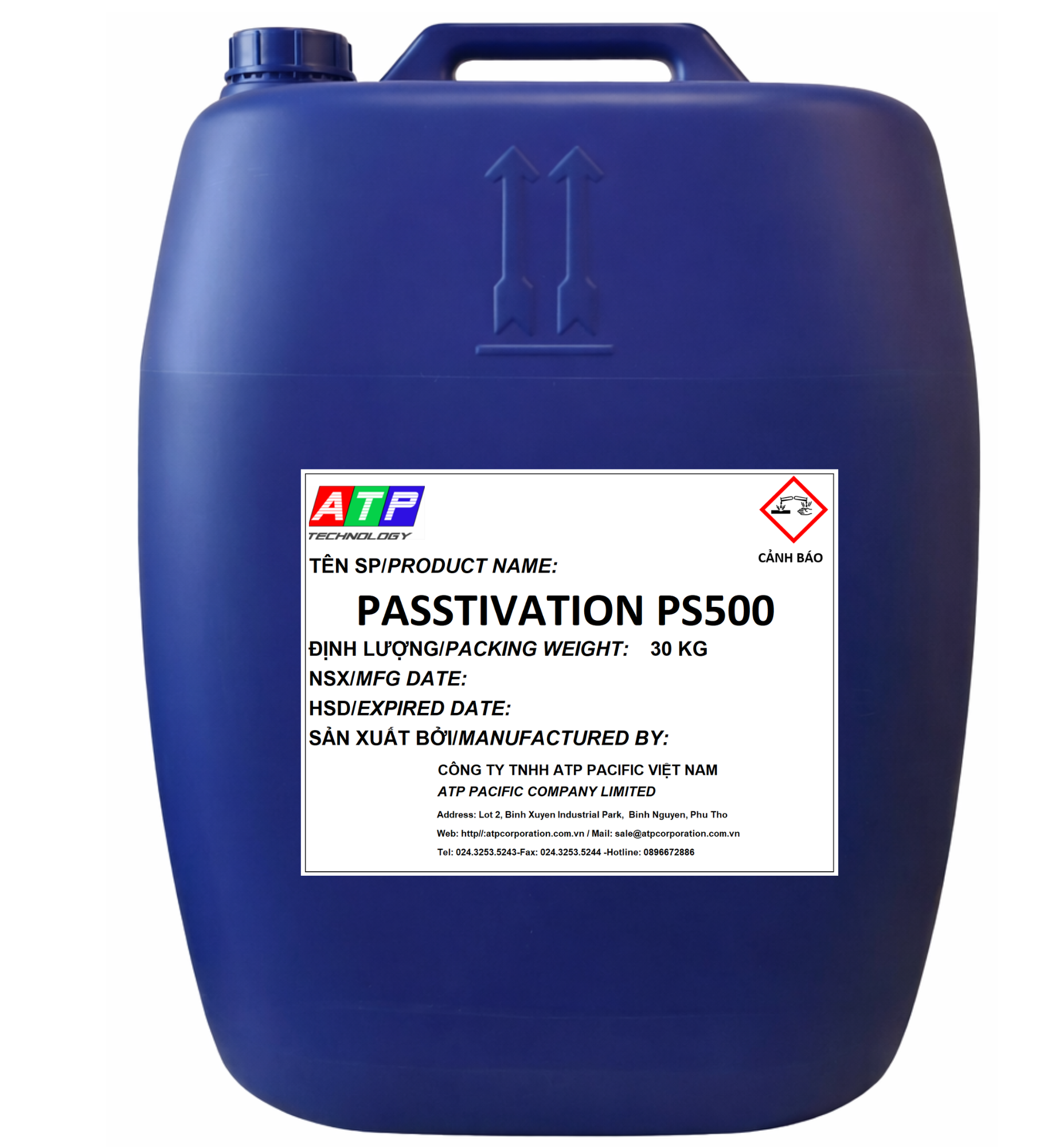
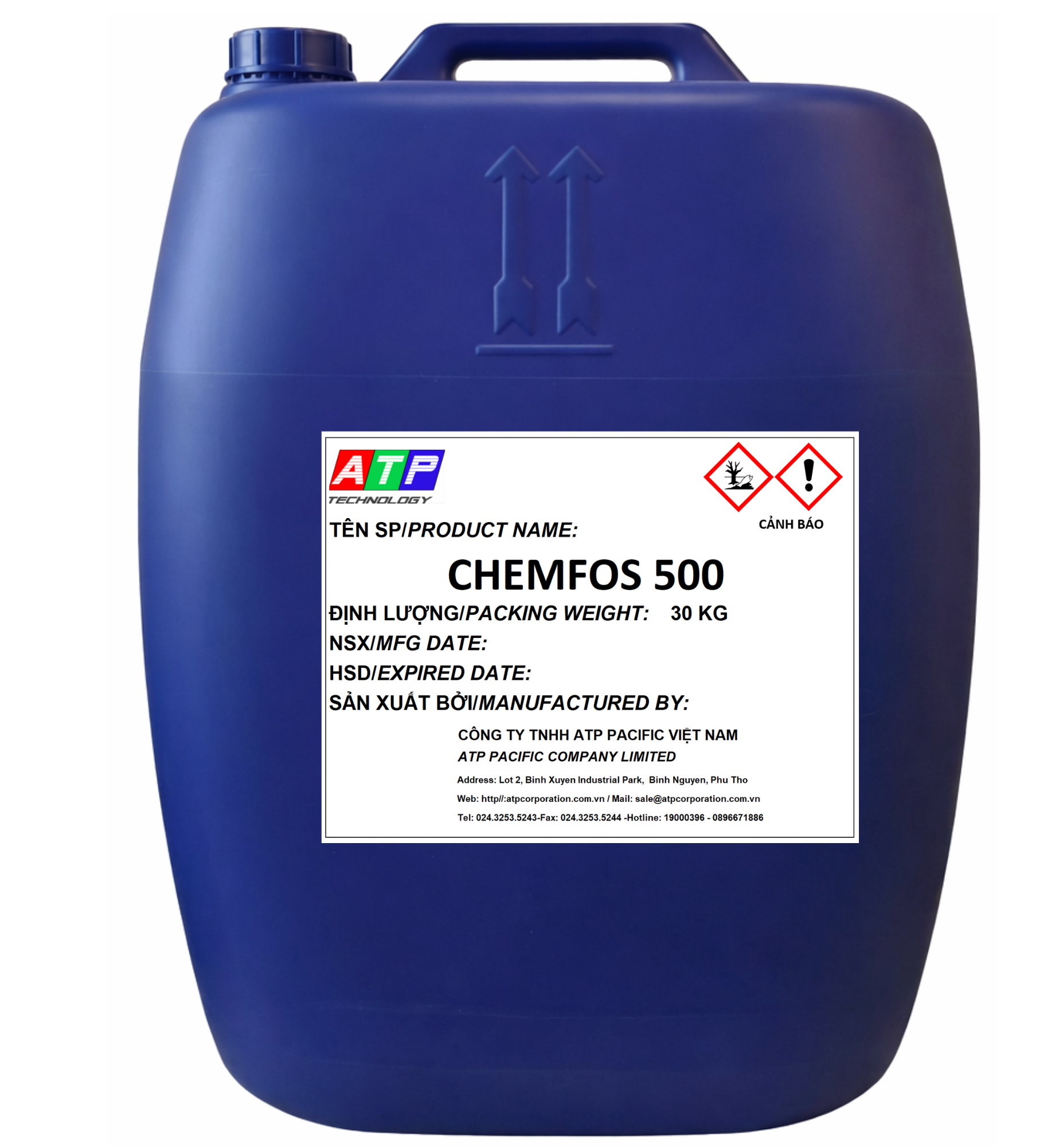
Chemfos 500 is an iron phosphate coating chemical that forms a thin phosphate layer with colors such as blue, yellow, pink, or gray. It is commonly used as a base layer for paint to enhance adhesion between paint and metal surfaces, while also improving corrosion resistance. The coating weight ranges from 0.3 to 0.8 g/m².
Applicable Materials
- Iron and low-carbon steel
- Zinc
- Aluminum
- Galvanized steel
- Ferrous metals
Functions
- Temporary rust prevention
- Enhances corrosion resistance of materials
- Provides a base layer for powder coating
- Improves paint adhesion to metal surfaces
Applications
Used for pre-treatment before painting components in industries such as automotive, equipment manufacturing, office furniture, metal partitions, and filing cabinets. Suitable for metal surfaces not heavily exposed to aggressive corrosive environments (humidity, atmospheric conditions, etc.).
Product Information
- Product name: Chemfos 500 Phosphate
- Origin: ATP Pacific Chemicals
- Packaging: 30 kg/can
- Physical state: Liquid
- Color: Bluish green
- Odor: Odorless
- Solubility: Completely soluble in water
- pH (1% solution, w/w): 4
Working Mechanism
Chemfos 500 protects metal surfaces through a conversion coating mechanism. This is a direct chemical conversion process on the metal surface, forming a new compound layer that provides temporary corrosion protection, improves paint adhesion, and enhances coating flexibility.
Operating Instructions
Required equipment: Tank, testing instruments, chemicals, heating system (if needed), ventilation system (if needed), mixer (if available), drying oven.
Tank materials: FRP (composite), PVC, PP.
Preparation of Phosphate Bath
Step 1: Fill the tank with 2/3 water, then slowly add Chemfos 500 according to the calculated amount while stirring.
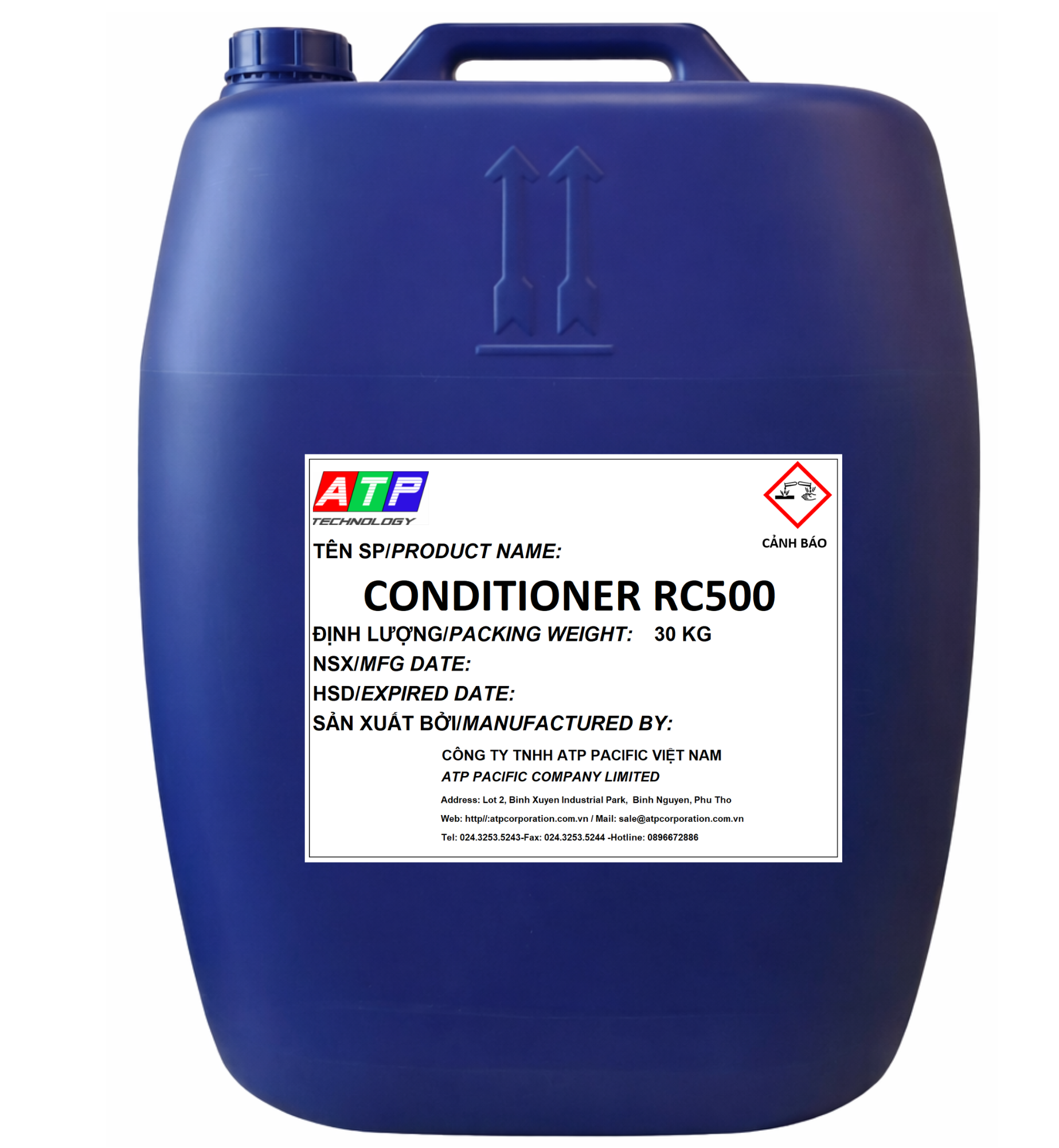
Step 2: Gradually add RC500 conditioner according to the calculated amount while stirring.
Step 3: Check TA and pH according to standards (use Chemfos 500 to increase TA and RC500 to adjust pH).
- Chemfos 500: 50 g/L (45–55)
- RC 500: 4.3 g/L (4.0–5.5)
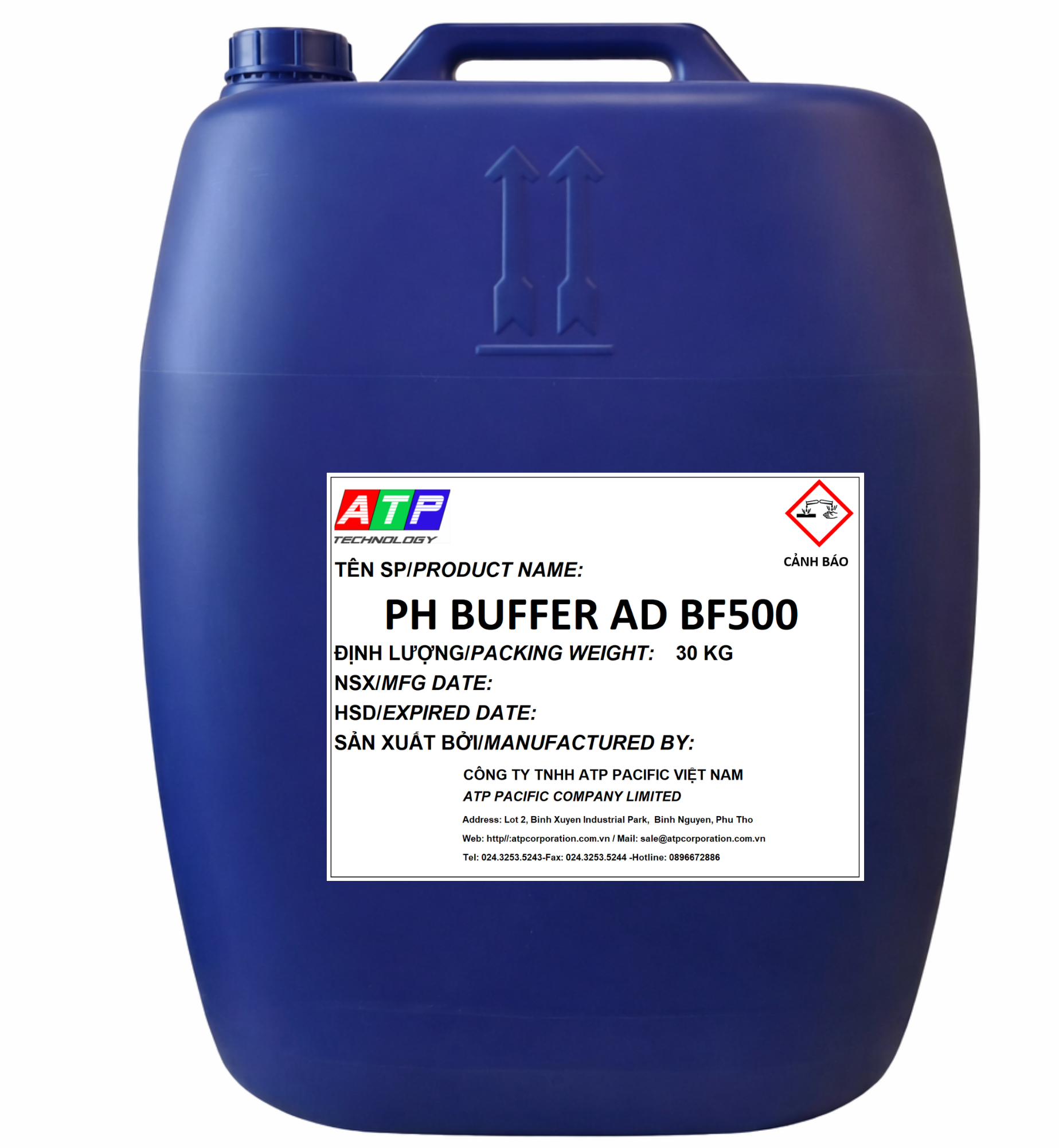
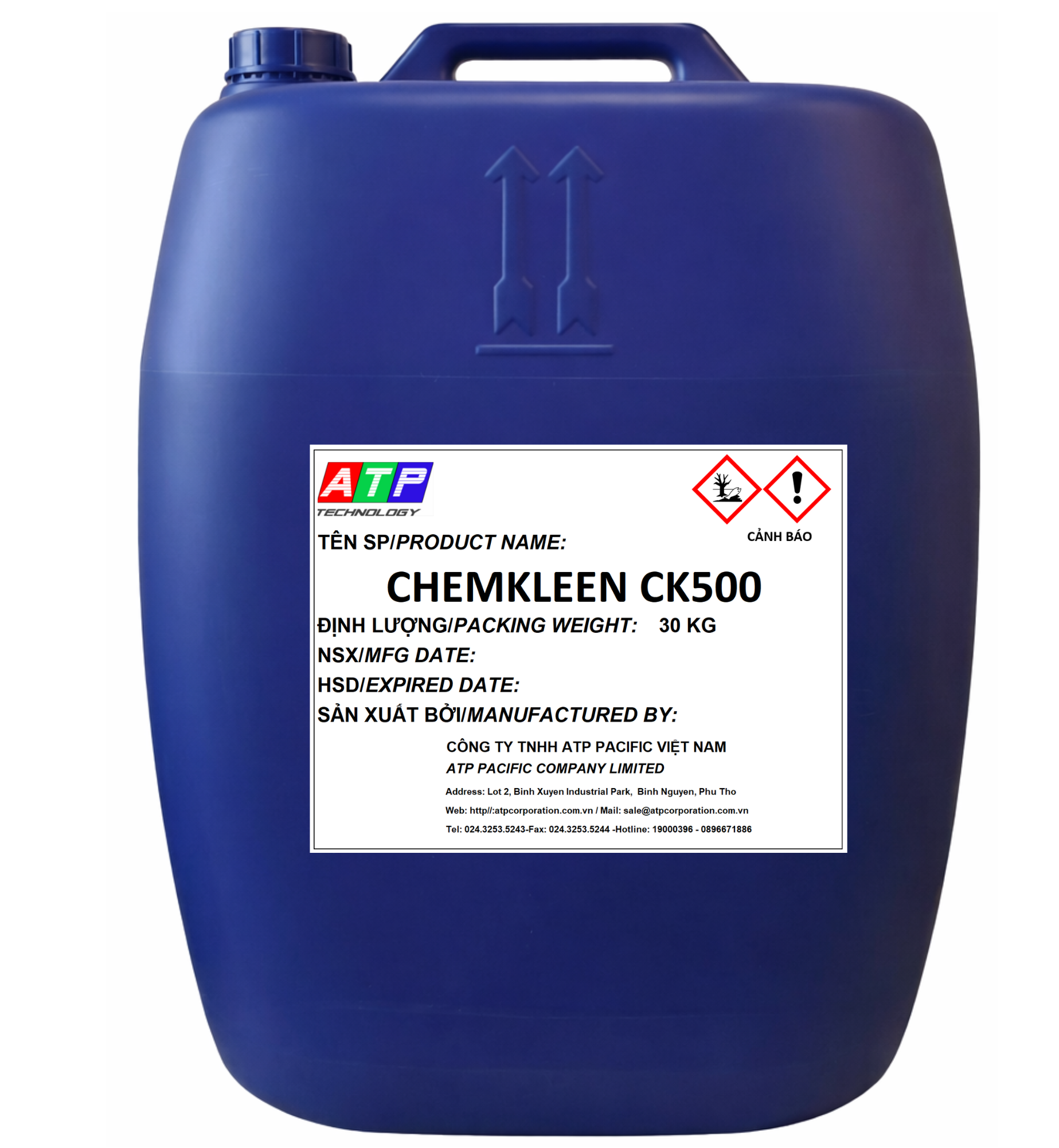
- Buffer AD BF500: 3.4 g/L (3.0–3.7), added during operation
Stir well for 30 minutes.
Check TA, pH, SC according to operating standards.
Operating Parameters
Immersion method:
- TA₀: 10.5 ml (9.8–11.0)
- pH₀: 4 (4–5)
- SC₀: 3 ml (2.5–4.0)
- Time: 5–10 minutes
- Temperature: ambient to 60°C
Spray method:
- TA₀: 10.5 ml (9.8–11.0)
- pH₀: 4 (4–5)
- SC₀: 3 ml (2.5–4.0)
- Time: 5–10 minutes
- Temperature: 50–60°C
- Spray pressure: 1–2 atm
Appearance: Light blue, homogeneous solution, no oil film on the surface
Advantages:
- Suitable for immersion, wiping, and spraying methods
- Short processing time
- Low cost
- Simple process, easy to operate, produces less sludge, works at lower concentration and temperature
Disadvantages:
- Requires stable long-term operating system investment
- Not suitable for applications requiring very high corrosion resistance
Factors Affecting Phosphating Efficiency
- Surface preparation: Proper cleaning is essential. The surface must be free of oil, dirt, and rust for good phosphate adhesion.
- Temperature: Higher temperature increases reaction speed but may affect coating quality.
- Time: Longer processing time results in thicker phosphate coating.
- Solution concentration: Excessively high concentration can lead to poor coating durability and reduced adhesion/corrosion resistance.
Safety Precautions
Iron phosphate chemicals are acidic, corrosive, and reactive with alkalis. Strict safety measures must be followed, including the use of rubber gloves, goggles, masks, boots, and proper ventilation.
First Aid Measures
- Skin contact: Remove contaminated clothing and rinse with water for 15 minutes.
- Eye contact: Remove contact lenses, rinse gently with clean water for 15 minutes, seek medical advice.
- Inhalation: Move to fresh air, provide oxygen if needed, seek medical attention.
- Ingestion: Drink plenty of water, do not induce anything if unconscious, seek medical attention.
Storage
Store in a cool, well-ventilated warehouse. Clearly label packaging with production and expiry dates. Keep containers tightly closed.