Product details
Citric Acid, also known as an organic acid with a mild sour taste, is naturally found in citrus fruits such as lemons, oranges, and tangerines. It is widely used in the food, pharmaceutical, and various other industries due to its safety and versatile applications.
Characteristics of Citric Acid:
| Characteristics |
Description |
|
Chemical formula |
C₆H₈O₇ |
|
Physical form |
White crystalline powder, easily soluble in water |
|
Taste |
Mild sour taste, used to adjust pH |
|
Safety |
Recognized as safe for use in food by the FDA |
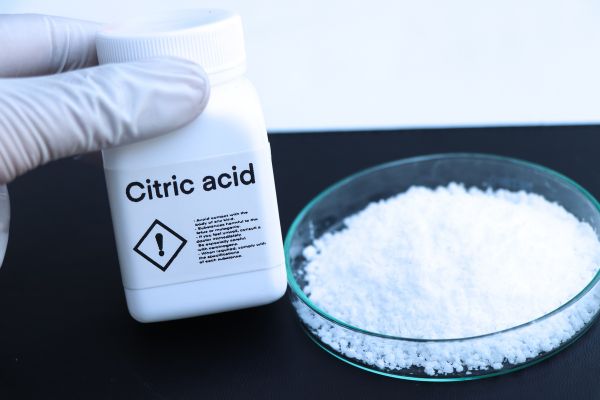
Currently, Citric Acid is available in two main forms commonly used in production and daily life. Depending on specific needs, businesses can choose the appropriate type.
Classification by form
|
Type |
Characteristics |
Common Applications |
|
Citric Acid khan (Anhydrous) |
White crystalline powder, water-free, easy to store |
Pharmaceuticals, food, cleaning industry |
|
Citric Acid monohydrate |
Contains one water molecule, hygroscopic |
Food, cosmetics, water treatment, beverage production |
Applications of Citric Acid
In the Food Industry:
Citric Acid is widely used in bottled beverages and processed foods as a preservative and acidity regulator, enhancing flavor and extending shelf life. It also acts as an antioxidant and pH stabilizer. Additionally, it is added to canned fruits and vegetables to prevent contamination from harmful bacteria. In winemaking, it is used to supplement or replace natural acidity.
In Cleaning and Disinfection:
Citric Acid can chelate metal ions, making it highly effective in soaps and detergents. It is considered a safer alternative to nitric acid in biotechnology and pharmaceutical industries for cleaning pipelines. It is also an active ingredient in kitchen and bathroom cleaners, helping remove soap scum, hard water stains, limescale, and rust.
In Beauty and Skincare:
Citric Acid is a valuable ingredient in skincare, helping treat mild acne, dark spots, pigmentation, wrinkles, and clogged pores. It can be used in cosmetics, toners, masks, or exfoliating products. It promotes brighter, smoother skin and has anti-aging benefits.
In Pharmaceuticals and Supplements:
Citric Acid is commonly found in medicines such as tablets, chewables, and syrups, where it acts as a preservative and enhances or masks taste.
In Daily Life:
Citric Acid has many practical uses, such as disinfecting insect bites, exfoliating skin when combined with honey, reducing odors (e.g., bad breath, body odor), and deodorizing refrigerators using citrus slices.
Safety Considerations
Citric Acid is generally safe for use in food, and excess amounts are easily metabolized and excreted by the body. However, direct contact with concentrated or dry citric acid may cause skin and eye irritation, so protective equipment is recommended. Excessive use may damage tooth enamel, and high concentrations can harm hair or cause serious eye irritation.
Handling and Safety Measures
- Avoid direct contact with skin and eyes
- Use appropriate respiratory protection if ventilation is insufficient
- In case of ingestion, seek medical advice immediately and provide the product label
- Change protective clothing after handling
- Follow proper operating and sampling procedures
Storage Conditions
- Keep away from incompatible substances such as oxidizers, reducers, metals, acids, alkalis, and moisture
- Store in a cool, dry, and well-ventilated place
- Keep away from heat sources, exposed electrical lines, and explosive materials
- Use containers not made of aluminum, tin, or zinc
- Do not store or mix with water, acids, flammable liquids, organic halogen compounds, nitromethane, or reactive metals like aluminum, tin, and zinc