- Home
- Introduction
- Products
- Shop
- News
- Library
- POLICY


ATP PAINT DETACKIFIER
During the coating process in paint lines, a portion of the paint does not adhere to the product and becomes overspray, dispersing into the air. This negatively affects the operational efficiency of the production line and leads to various workplace environmental issues.
In response to this situation, we have developed Paint Detackification technology to effectively remove overspray and reduce treatment costs for factories.
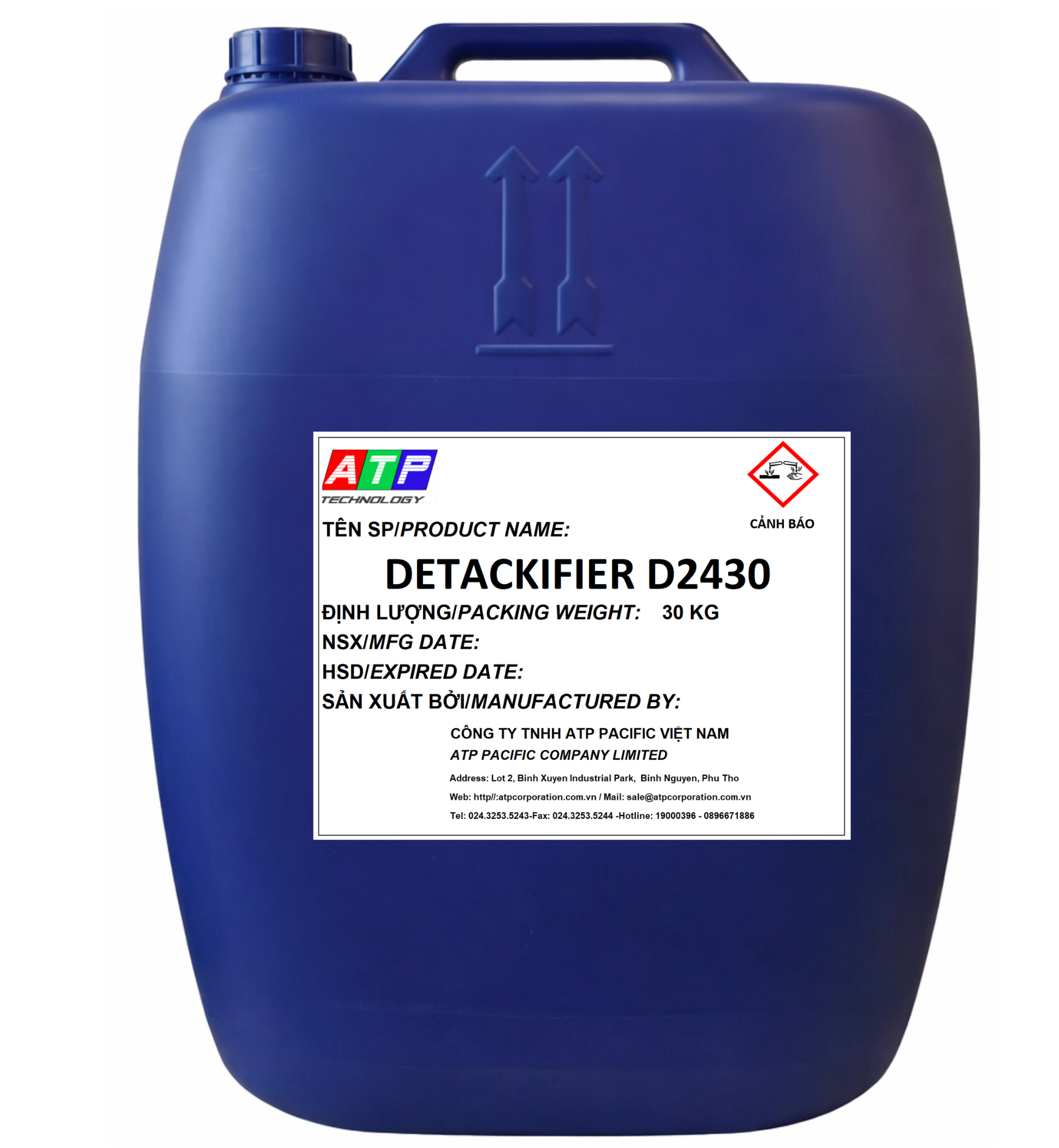
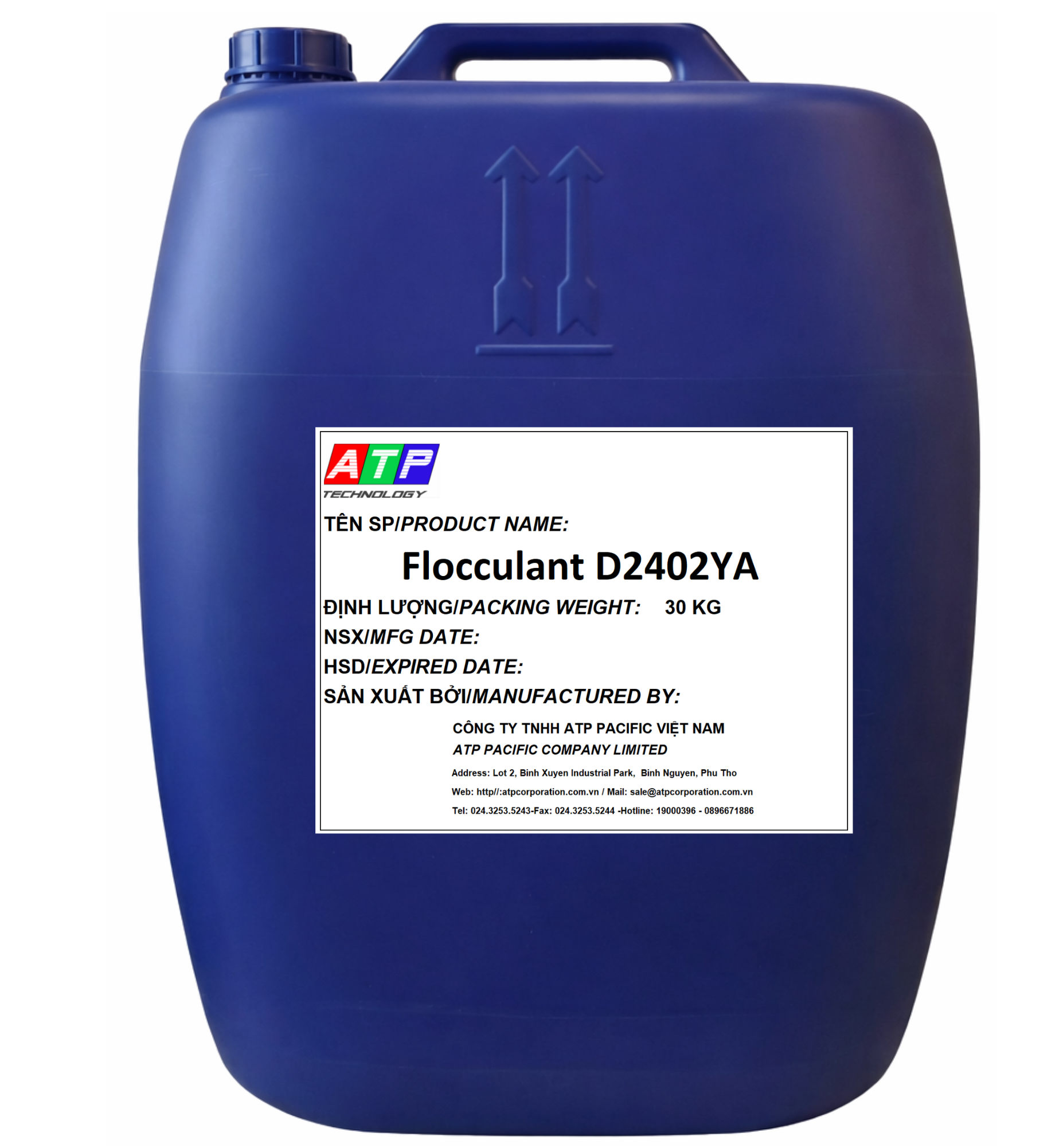
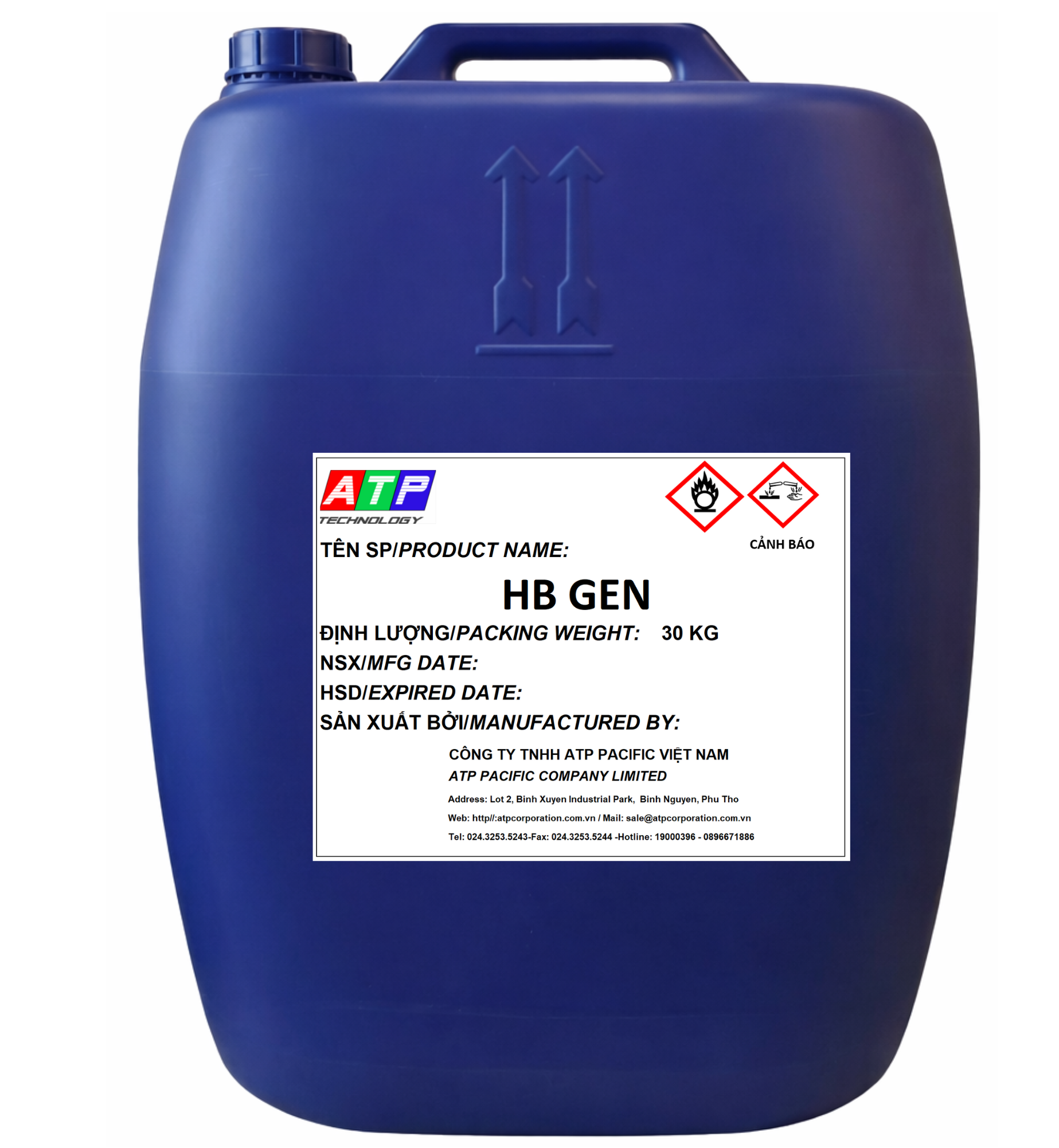
The core of Paint Detackification technology is the Paint Detackifier chemical system, which includes the following main products:

ATP paint detackification technology helps reduce maintenance costs of the production line while ensuring a safe and clean working environment for employees. The paint detackifier chemical system is optimally designed to effectively treat all types of paint systems, including polyester, polyurethane, acrylic, epoxy, alkyd, and more.
KEY ADVANTAGES OF ATP PAINT SLUDGE FLOTATION TECHNOLOGY

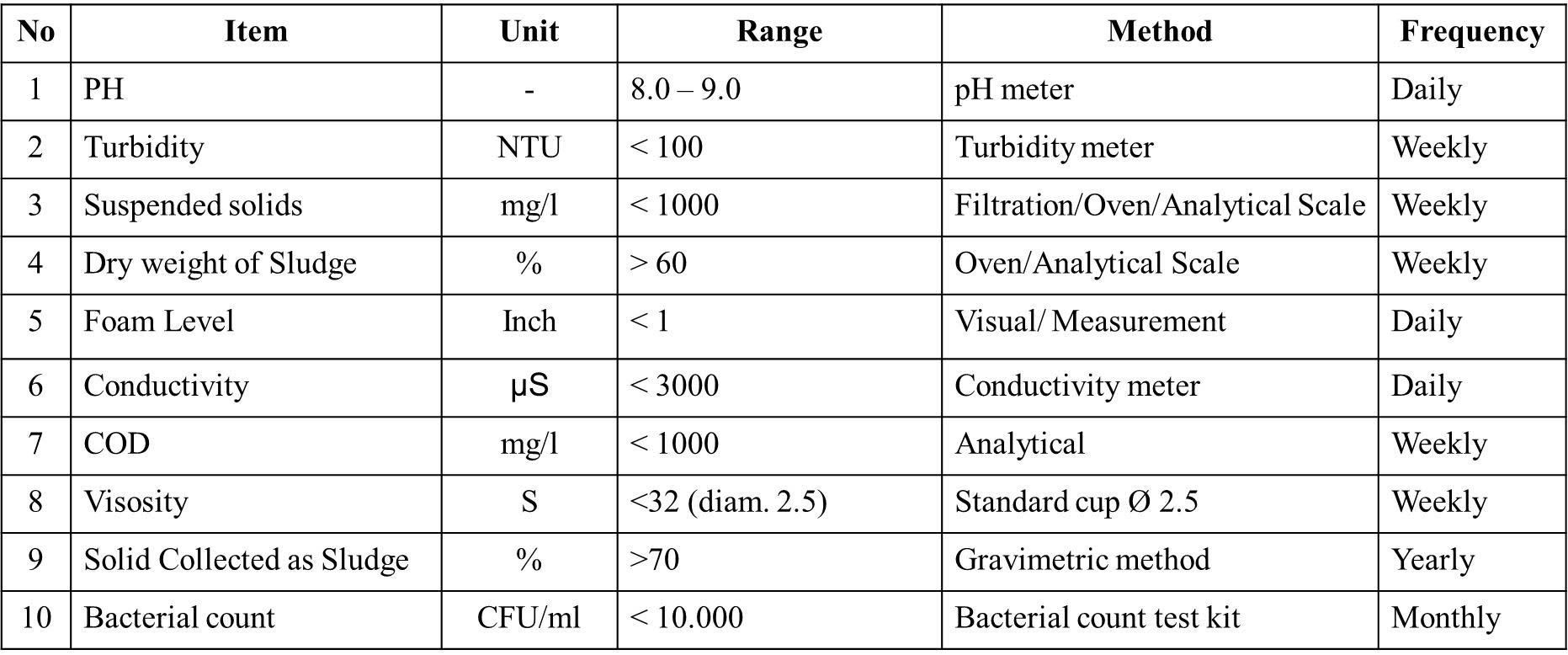
OPERATING PARAMETERS AND CONDITIONS
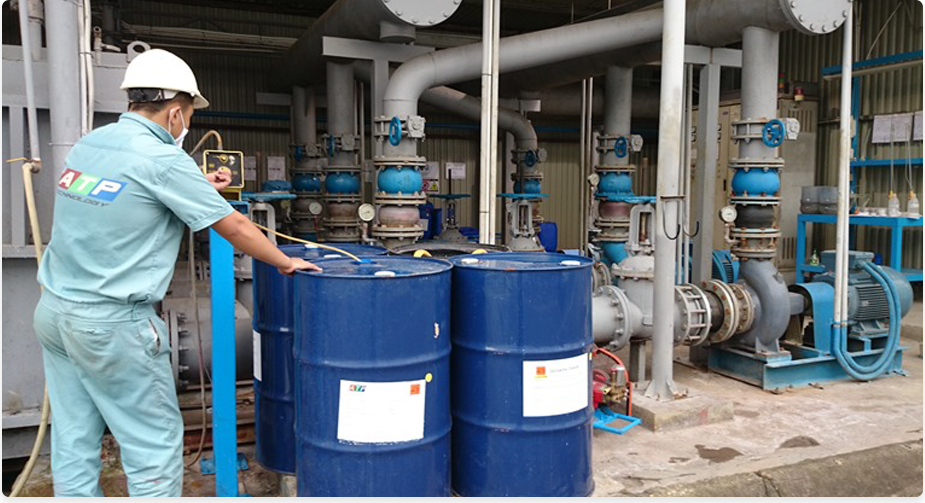
During operation, to ensure optimal flotation and treatment performance, the recirculating water tank in the spray booth should be controlled within the recommended parameters to achieve the best treatment efficiency.
TECHNICAL SUPPORT & SOLUTIONS
ATP Pacific not only supplies chemicals but also partners with customers throughout the entire operation of their treatment systems.