Product details
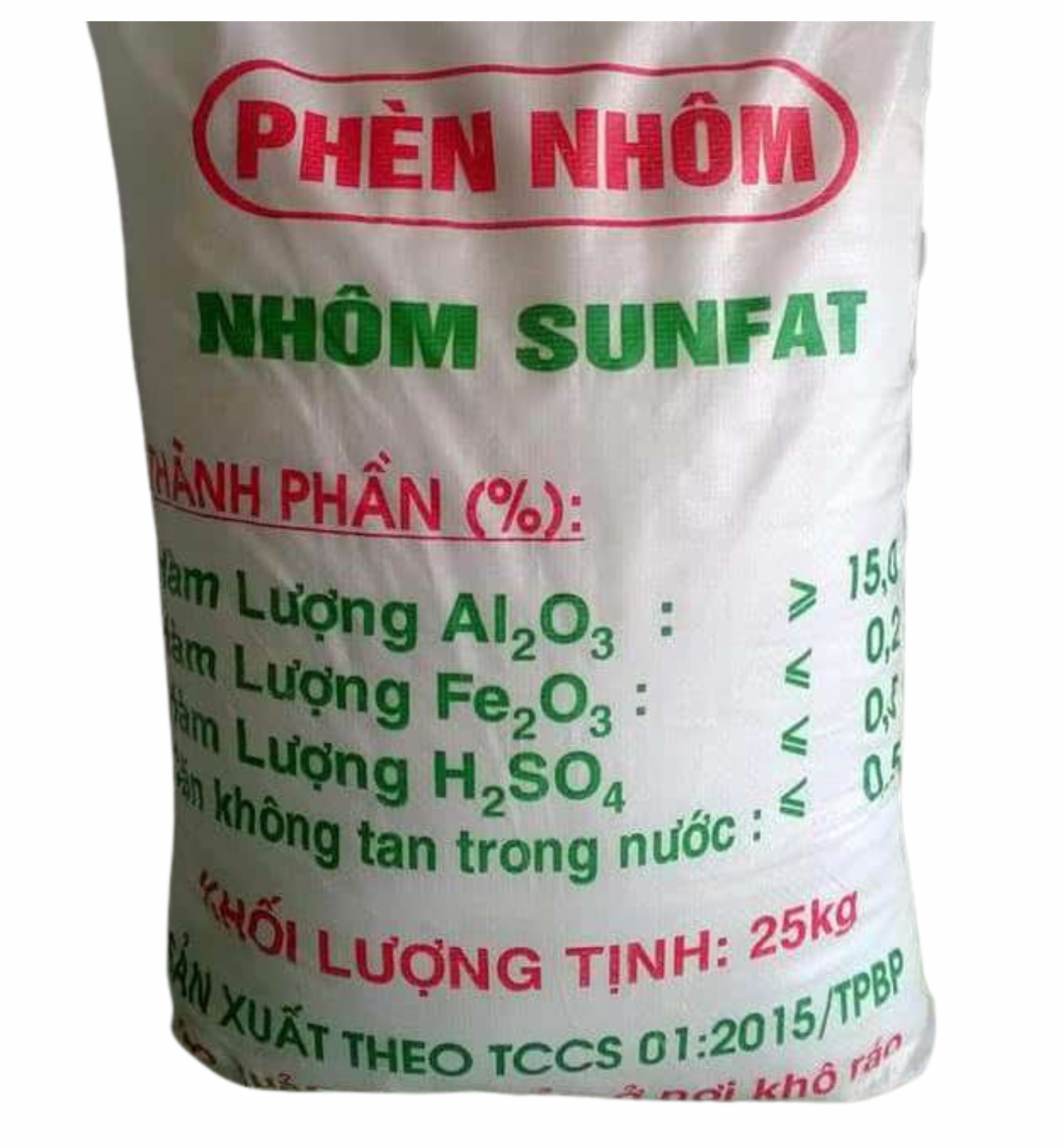
Aluminum Sulfate (Al₂(SO₄)₃). Aluminum sulfate, also known as Aluminium Sulfate (Al₂(SO₄)₃), is a chemical compound widely used in various industries. With its good solubility and high efficiency in water treatment, aluminum sulfate has become a top choice for applications such as wastewater treatment, paper manufacturing, and soil pH adjustment in agriculture.
Characteristics of Aluminum Sulfate
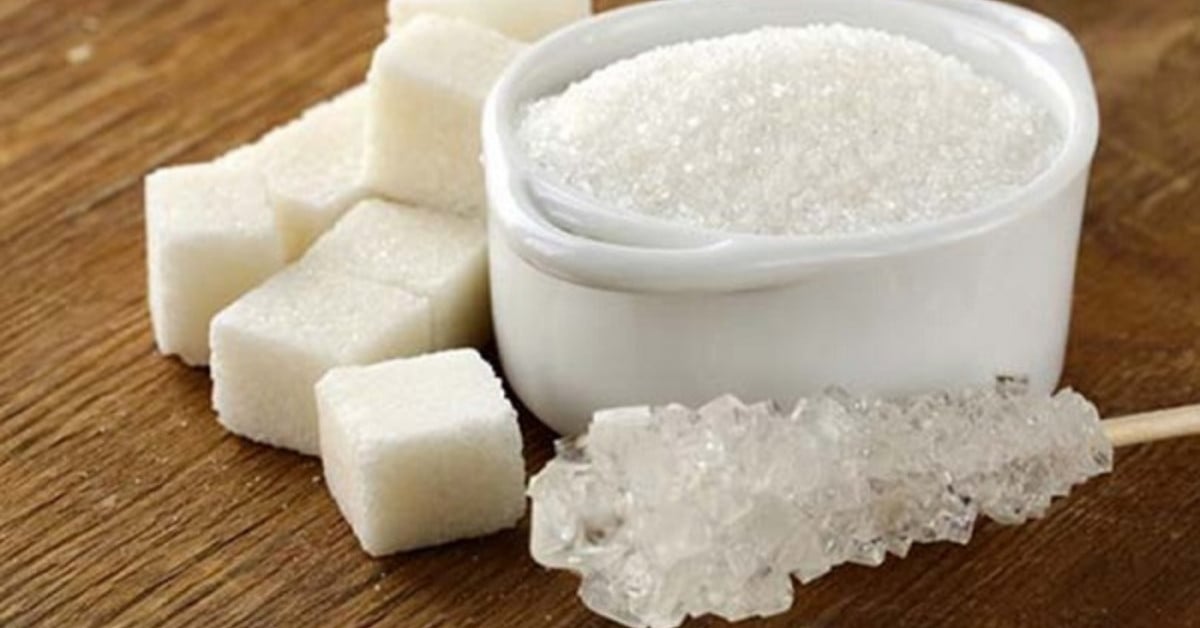
In terms of physical properties, aluminum sulfate typically exists as crystalline solids, either in fine powder or granular form. Anhydrous aluminum sulfate crystals are usually colorless or white, while hydrated aluminum sulfate (alum) is also white, sometimes slightly yellow due to impurities. It has a characteristic astringent taste and is highly soluble in water, with solubility increasing as temperature rises. Anhydrous aluminum sulfate has a density of approximately 2.71 g/cm³.
Regarding chemical properties, an aqueous solution of aluminum sulfate is acidic due to the hydrolysis of Al³⁺ ions. This hydrolysis reaction produces hydronium ions (H₃O⁺), lowering the pH of the solution, as represented by the equation:
Al³⁺ + 3H₂O ⇌ Al(OH)₃ + 3H⁺.
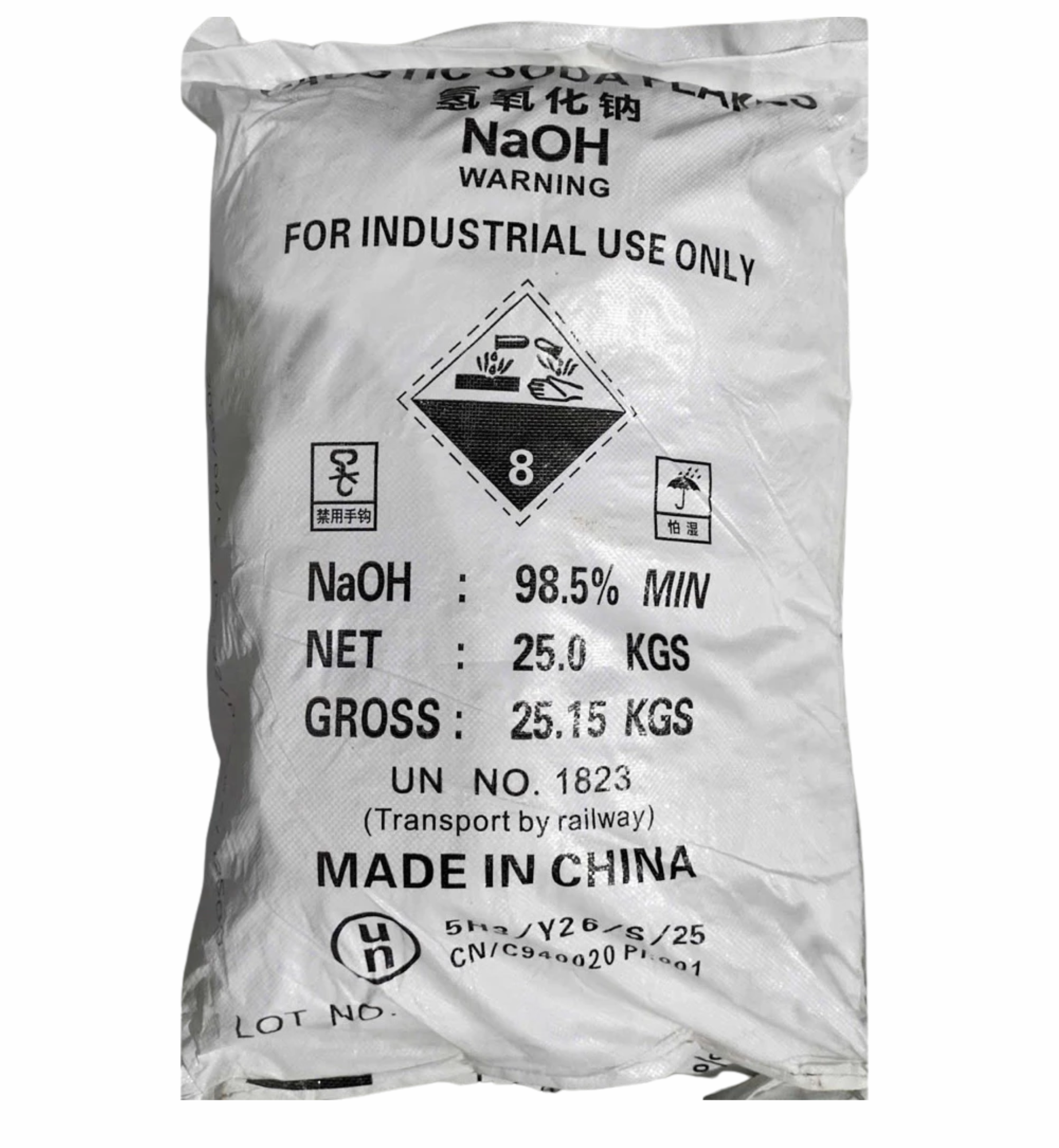
Aluminum sulfate reacts with bases to form a precipitate of aluminum hydroxide, Al(OH)₃. For example, when reacting with sodium hydroxide (NaOH):
Al₂(SO₄)₃ + 6NaOH → 2Al(OH)₃↓ + 3Na₂SO₄.
The Al(OH)₃ precipitate has a gelatinous form and can adsorb impurities in water, which is why it is widely used in water treatment.
Aluminum sulfate also reacts with carbonate salts to form aluminum hydroxide precipitate, carbon dioxide gas, and sulfate salts. For example:
Al₂(SO₄)₃ + 3Na₂CO₃ + 3H₂O → 2Al(OH)₃↓ + 3CO₂↑ + 3Na₂SO₄.
These chemical properties form the basis for many applications of aluminum sulfate across various industries.
Common Types of Aluminum Sulfate on the Market
| Single Alum | Double Alum | |
| Name | Potassium alum, single alum | Double alum, aluminum alum, ammonium alum |
| Formula | KAl(SO4)2.12H2O | NH4Al(SO4)2 |
| Molecular weight | 258,192 g/mol (khan) | 237,15 g/mol, |
| 474,37 g/mol (dodecahydrate) | 453,33 g/mol (dodecahydrate) | |
| Density: | 1,725 g/ cm3 | 1.640 g/cm3 |
| Boiling point: | 92 – 95 °C (198 – 203 °F; 365 – 368 K) | 120 °C (393 K; 248 °F) |
Applications of Aluminum Sulfate
Thanks to its distinctive chemical properties, aluminum sulfate is widely used across various fields, from water treatment to healthcare and industry.
Water Treatment: This is the most common application of aluminum sulfate. When added to water, Al³⁺ ions undergo hydrolysis to form a gelatinous Al(OH)₃ precipitate. This precipitate can adsorb suspended impurities, helping to clarify the water. Aluminum sulfate is widely used in drinking water and wastewater treatment plants.
Textile Dyeing: In the textile industry, aluminum sulfate is used as a mordant, helping dyes bind firmly to fabric fibers, resulting in brighter and more durable colors.
Paper Production: Aluminum sulfate is used in papermaking to improve paper strength, stiffness, and water resistance. It also helps enhance the whiteness of the paper.
Other Applications:
- Flame Retardant: Aluminum sulfate is used in certain fire-resistant materials.
- Gardening: It can be used to adjust soil pH.