- Home
- Introduction
- Products
- Shop
- News
- Library
- POLICY


Boilers are critical equipment in industries such as food processing, textiles, chemicals, paper, mechanical engineering, and power generation. The quality of boiler feedwater directly affects:
If water is not properly treated, issues such as scaling, corrosion, and foaming/carryover will quickly occur, leading to reduced efficiency and potential serious system failures.

✔ Improved heat transfer efficiency
✔ Reduced fuel consumption by 3–10%
✔ Extended lifespan of boilers and pipelines
✔ Lower maintenance and downtime costs
✔ Safe and stable long-term operation
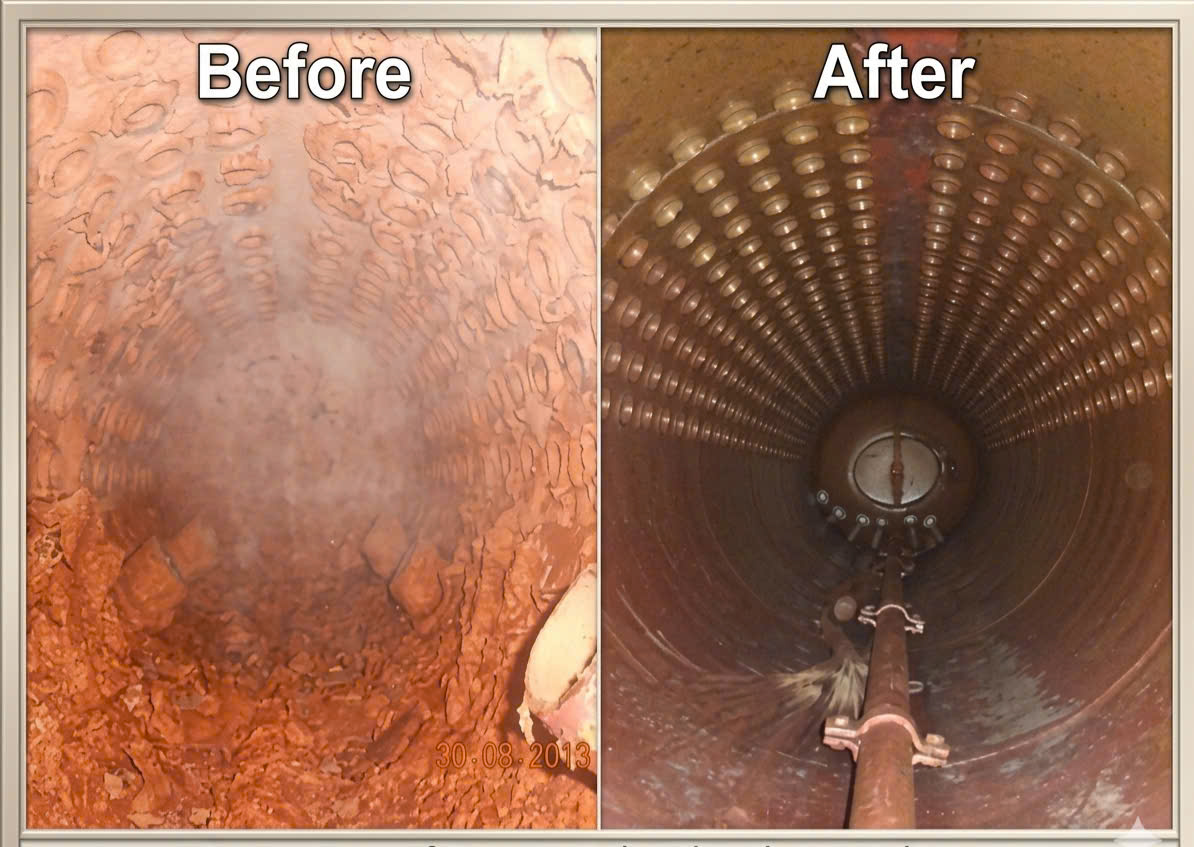
Scale Formation
Caused by precipitation of Ca²⁺, Mg²⁺, and silica at high temperatures, forming insulating layers on heat transfer surfaces.
Impact: Reduced efficiency, increased fuel consumption, overheating, and risk of tube failure.

Corrosion
Caused by dissolved O₂, CO₂, low pH, or unstable chemical conditions.
Impact: Tube leakage, equipment damage, and reduced boiler lifespan.
Foaming & Carryover
Caused by high TDS, oil contamination, organic matter, or excess chemicals.
Impact: Water carryover contaminates steam lines and downstream equipment.
Boiler treatment chemicals are designed to simultaneously control multiple chemical mechanisms, including:
Selecting the right chemicals and proper dosage ensures stable operation while optimizing maintenance and fuel costs.
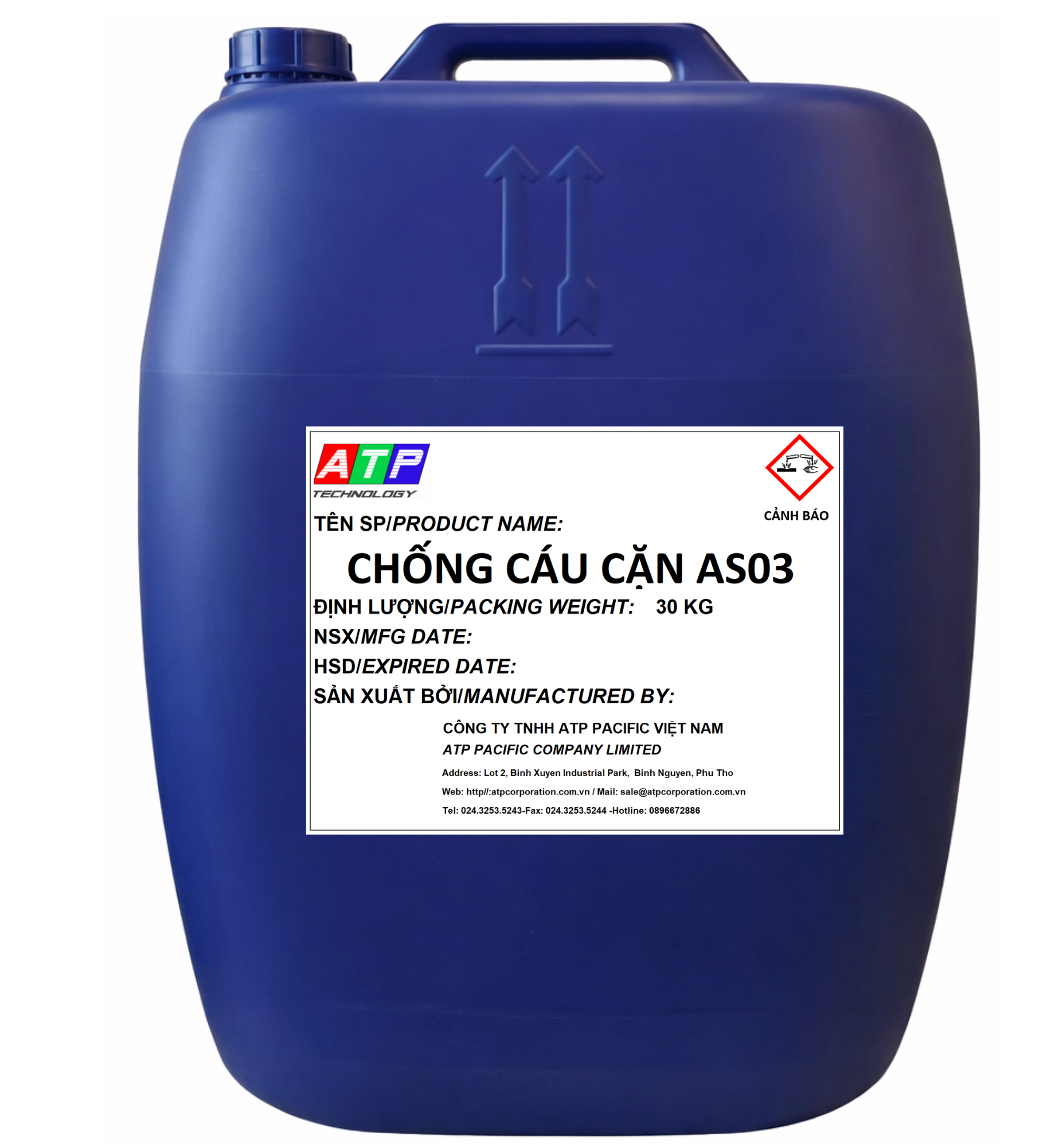
Scale Inhibitor – AS03
Typical components: polyphosphates, phosphonates, dispersant polymers
Mechanism: Forms complexes with Ca²⁺ and Mg²⁺ ions and disperses particles to prevent adhesion to metal surfaces.
Oxygen Scavenger
Common types: sodium sulfite, DEHA, carbohydrazide
Mechanism: Reacts with dissolved oxygen to prevent electrochemical corrosion.
pH & Alkalinity Control Chemicals
Main components: NaOH, volatile amines (neutralizing amines)
Purpose: Maintain optimal pH (typically 9.5–11.0 depending on boiler pressure) to minimize corrosion and unwanted precipitation.
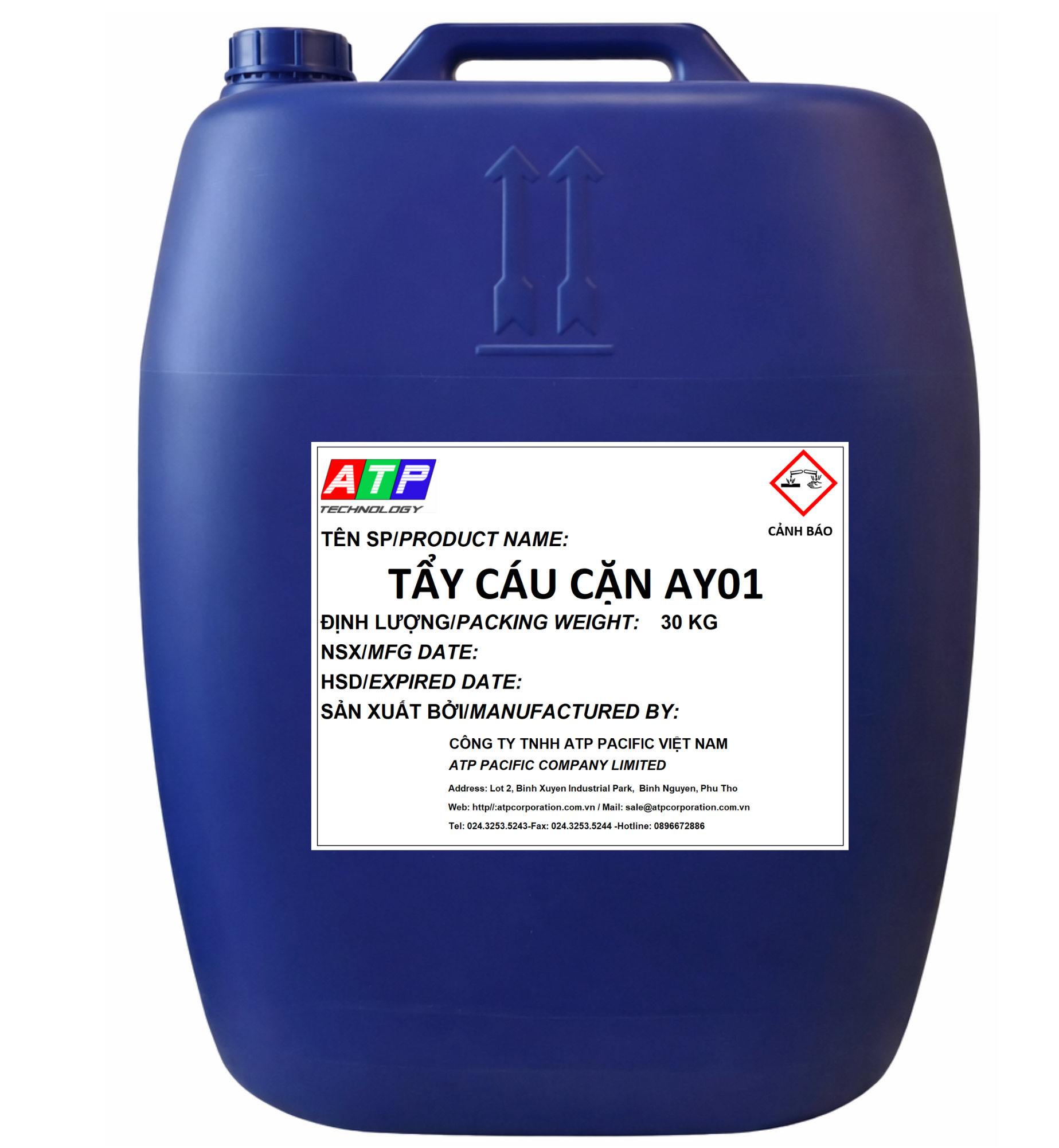
Anti-foaming Agent – AY01
Composition: silicone-based or specialized polymers
Function: Controls foaming and carryover under high TDS conditions.
These practices help optimize heat transfer, minimize scaling, reduce corrosion, and extend the lifespan of the entire steam system.
If you are looking for boiler chemicals or technical support, please contact:
Ms. Giang
📞 0896 672 886
📧 giang.nguyenthithu@atpcorporation.com.vn