WASTEWATER TREATMENT CHEMICAL

WASTEWATER TREATMENT CHEMICALS – A CORE TECHNICAL SOLUTION IN MODERN WASTEWATER TREATMENT SYSTEM OPERATION

In industrial and domestic wastewater treatment systems, beyond plant design and equipment, treatment chemicals play a critical role in determining treatment efficiency, operational stability, and compliance with discharge standards. Selecting the right types of chemicals, appropriate dosages, and optimal dosing strategies helps ensure sustainable operation, cost reduction, and minimized environmental risks.

Hệ thống xử lý nước thải y tế 100m3/ngày đêm

The Role of Chemicals in Wastewater Treatment Technology

In practice, influent wastewater often fluctuates significantly in terms of:

  • Flow rate
  • Pollutant concentrations (COD, BOD, TSS, N, P, heavy metals, oil & grease, etc.)
  • Physicochemical properties (pH, alkalinity, salinity, biological toxicity)

Therefore, chemicals are used to:

  • Adjust pH and alkalinity to create optimal conditions for coagulation and biological processes
  • Remove suspended solids, heavy metals, and phosphorus via coagulation–flocculation mechanisms
  • Improve sedimentation efficiency and sludge separation
  • Stabilize microbial populations in biological tanks
  • Control odor, foam, color, and toxicity in specific cases

Classification of Wastewater Treatment Chemicals by Function

pH Adjustment Chemicals:
Used to maintain pH within the optimal range (typically 6.5–8.5) for coagulation and aerobic/anaerobic biological processes.

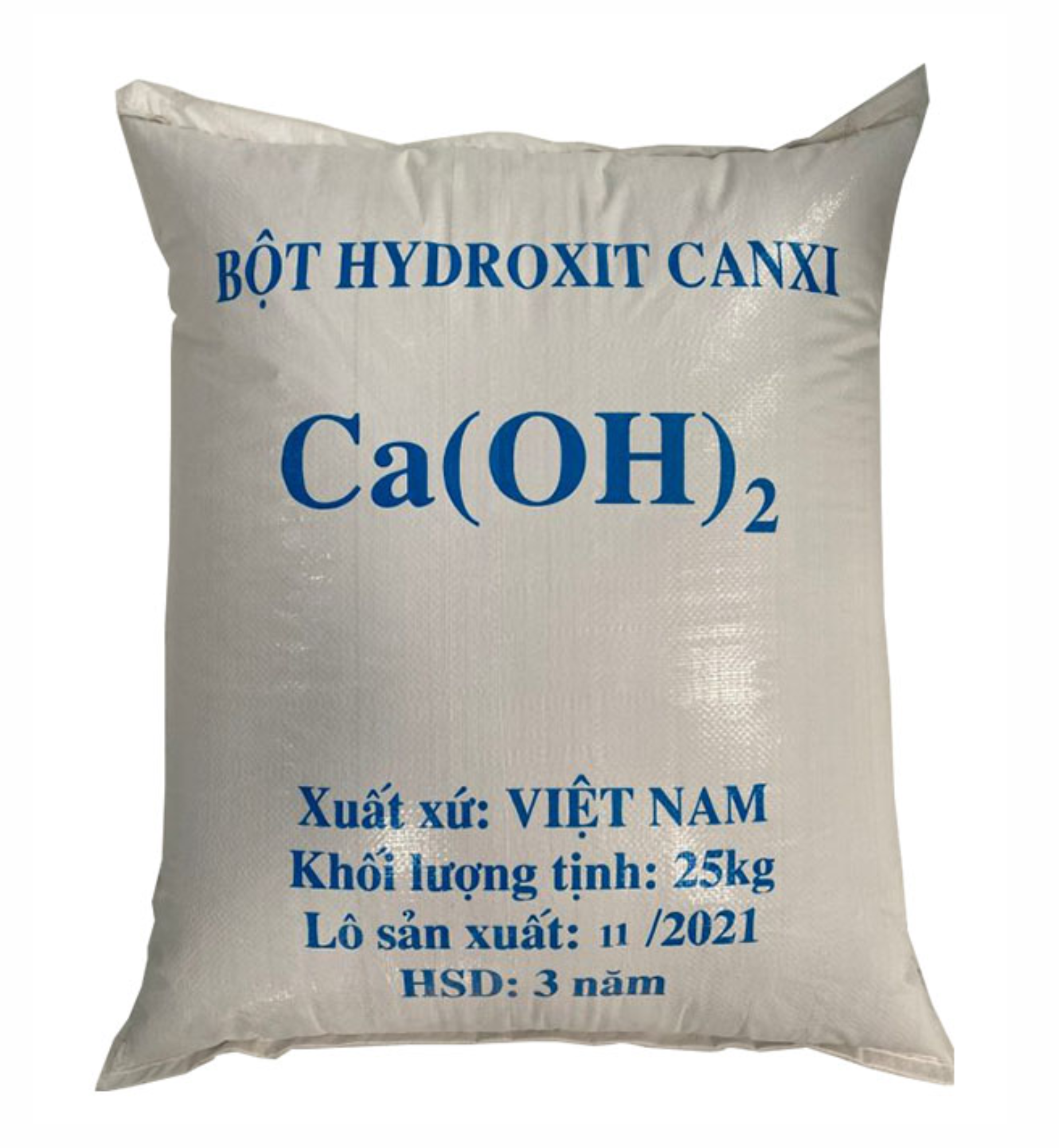
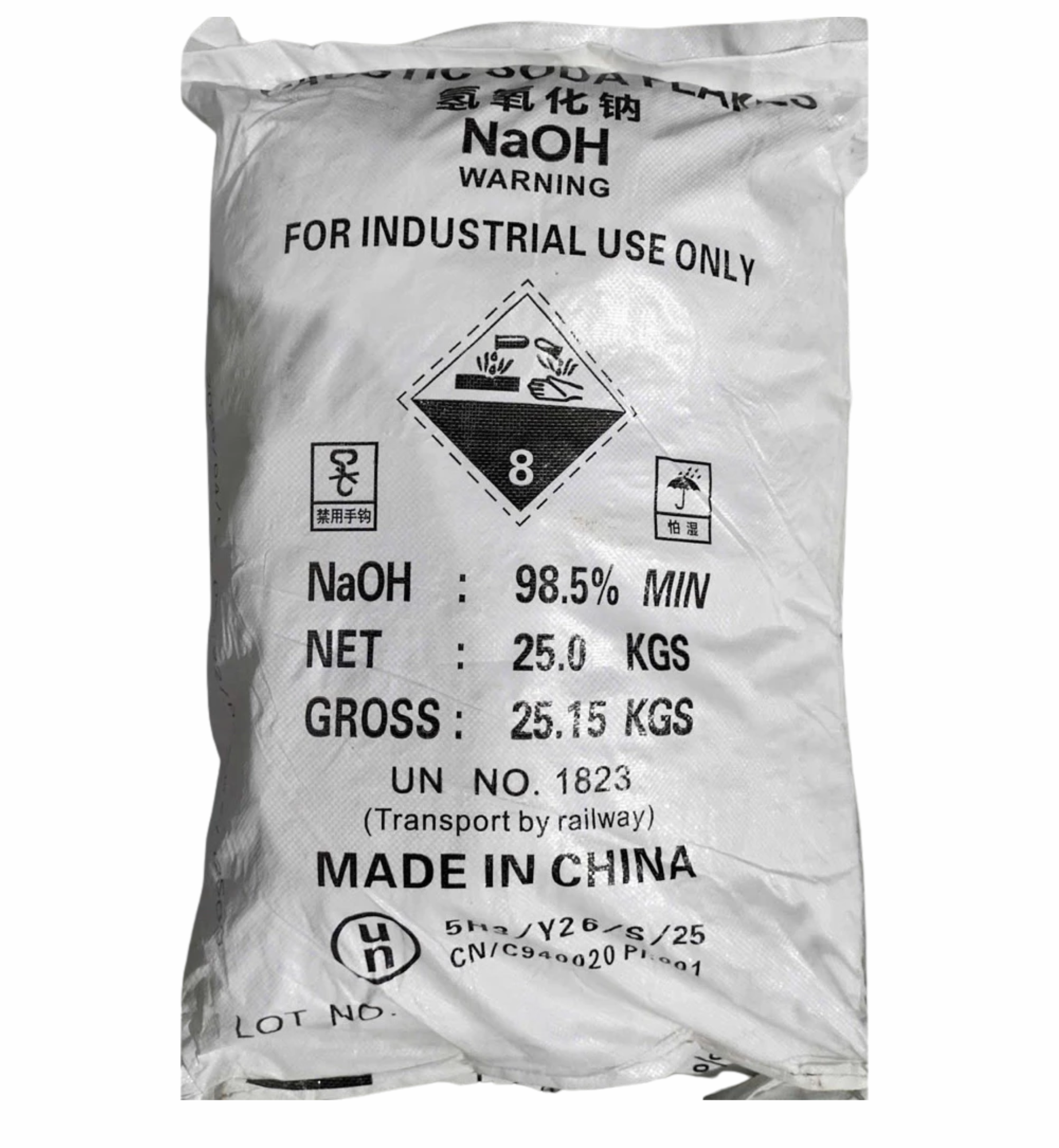
  • pH-increasing chemicals: NaOH, Na₂CO₃, Ca(OH)₂ (lime)
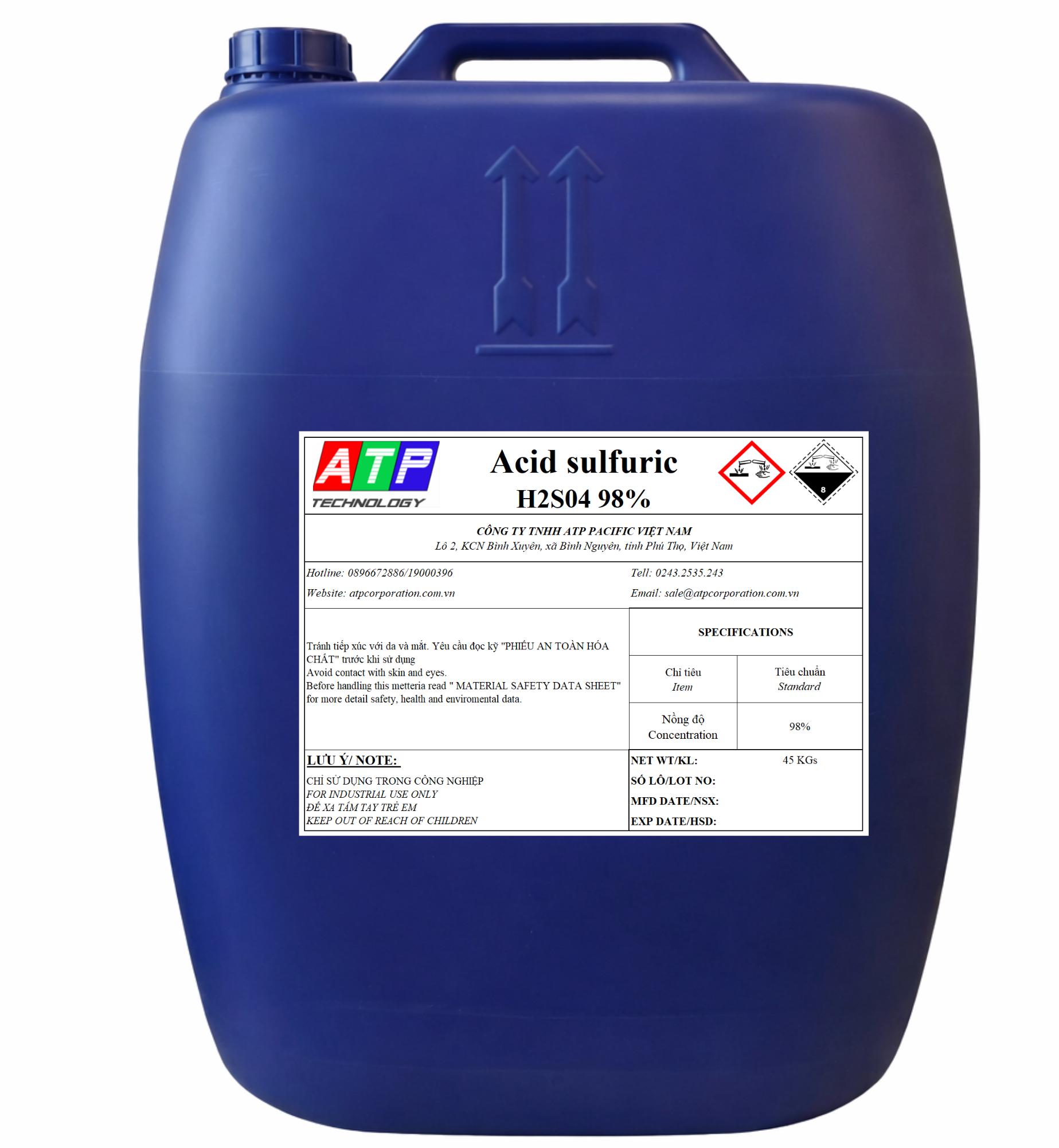
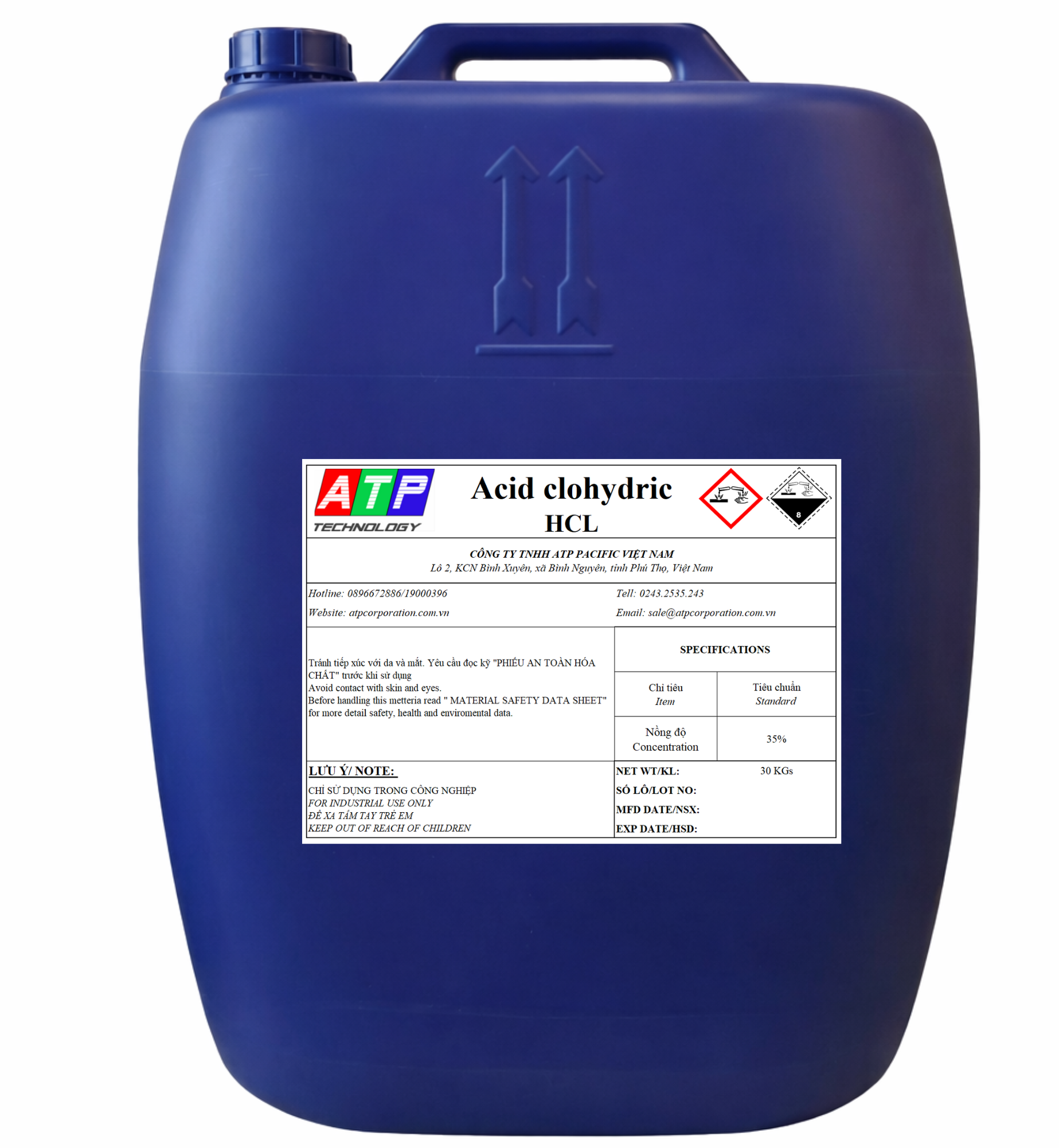
  • pH-reducing chemicals: H₂SO₄, HCl

Unstable pH reduces coagulation efficiency and inhibits microbial activity. Online pH monitoring combined with automatic dosing pumps is recommended for precise control.

Coagulants & Flocculants:
Used to remove TSS, color, COD, and heavy metals through charge neutralization and floc formation. Polymers act as bridging agents, increasing floc size and enhancing settling and sludge separation.

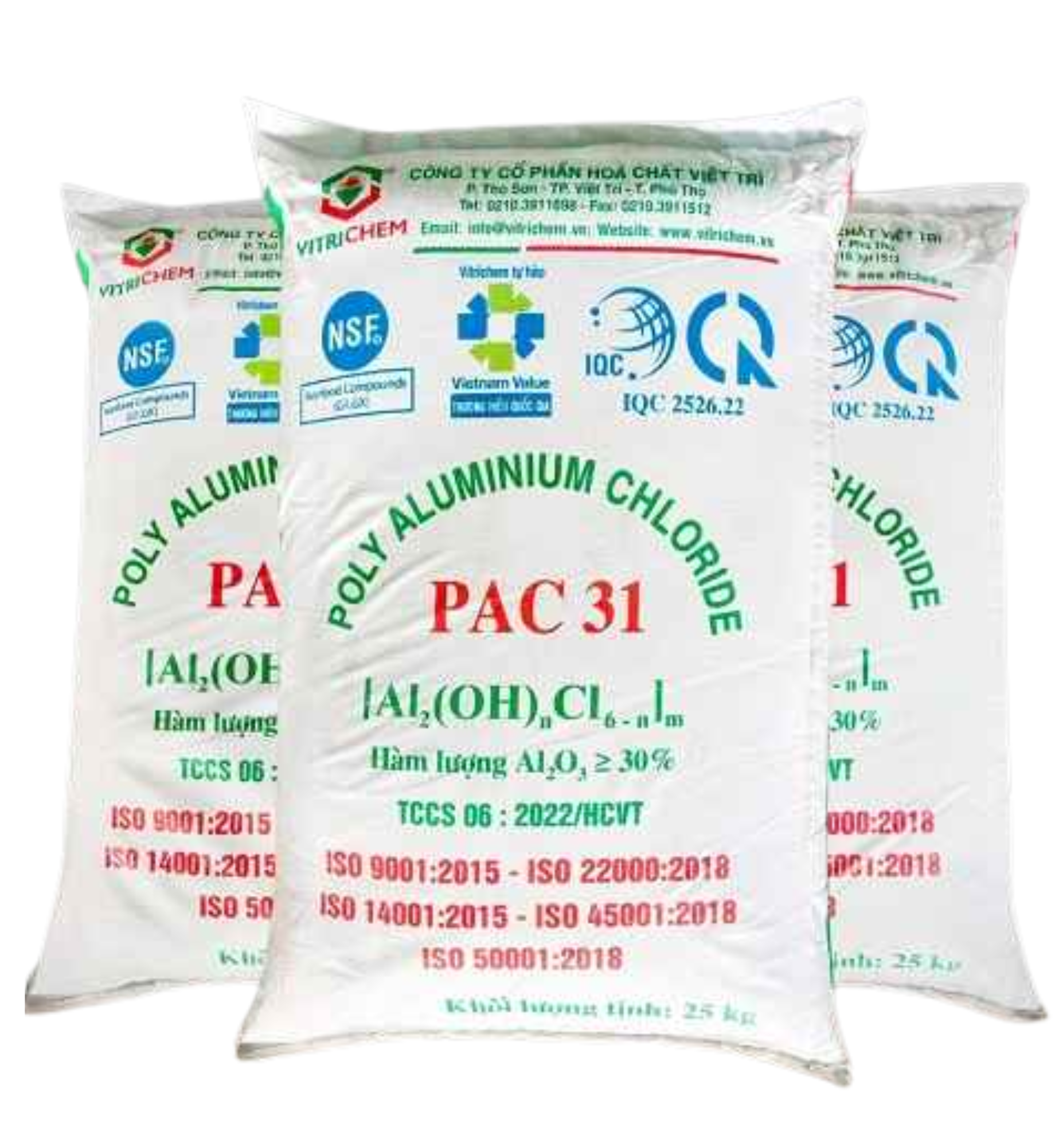
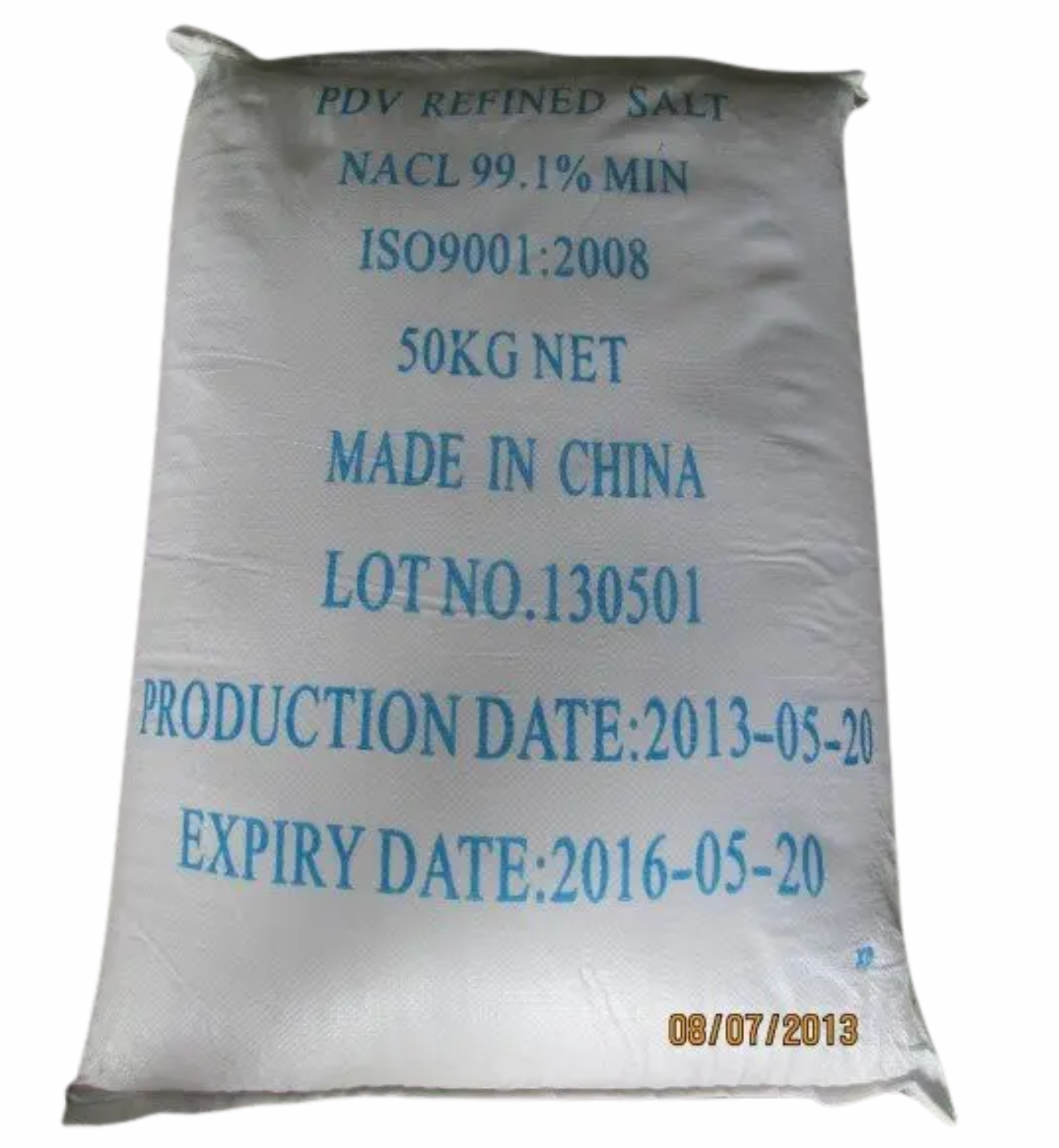
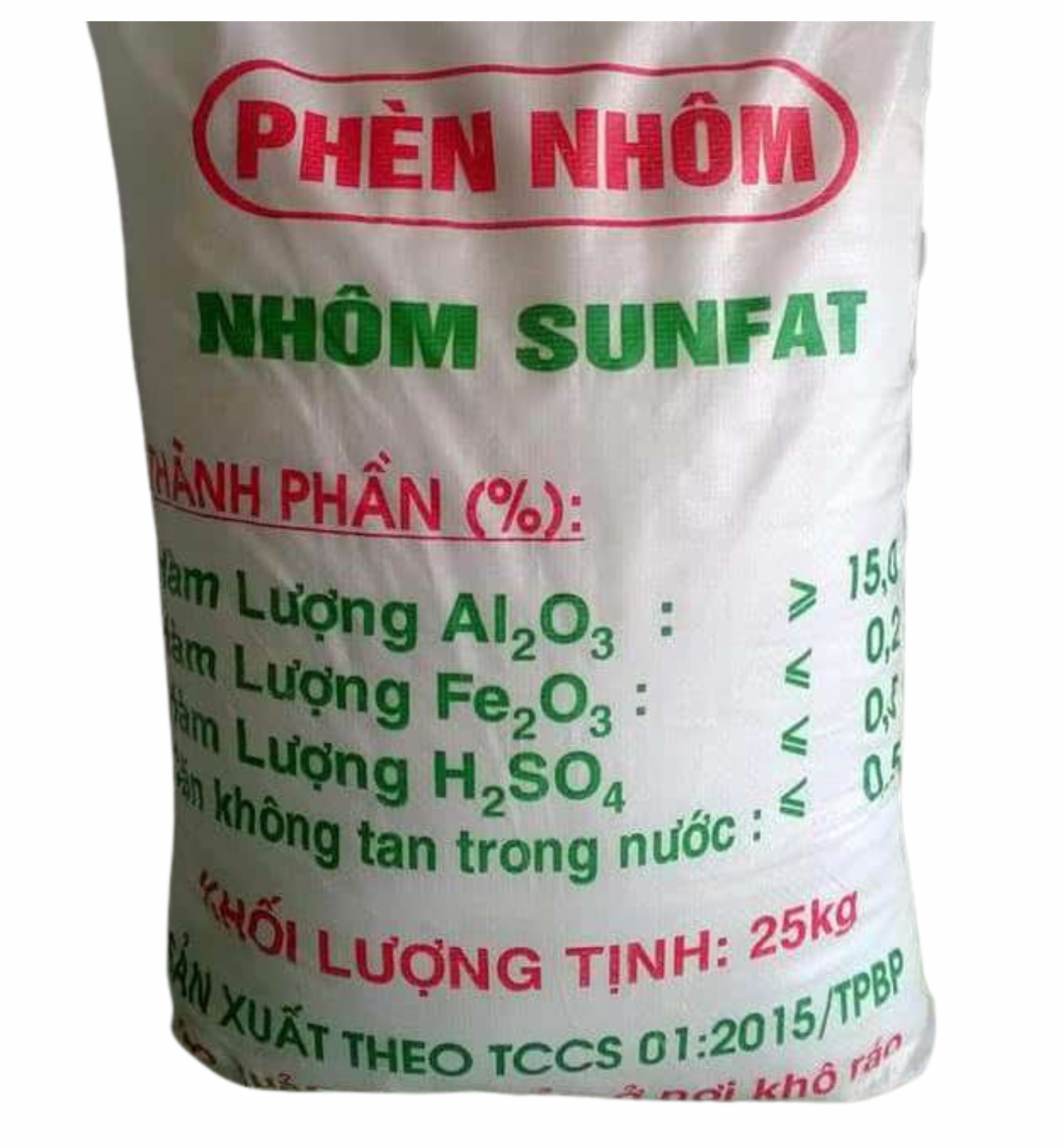
  • Inorganic coagulants: PAC, aluminum sulfate (alum), iron salts (FeCl₃, FeSO₄)
  • Coagulant aids: Anionic, cationic, and non-ionic polymers

Chemicals Supporting Biological Treatment:

  • Bio-augmentation products (microbial cultures)
  • Nutrient sources: Urea, DAP, MAP
  • Defoamers and odor control chemicals

Sludge Treatment Chemicals:
Enhance sludge dewatering, reduce moisture content after dewatering, and lower sludge handling costs.

  • Cationic polymers for biological sludge
  • Anionic polymers for inorganic sludge

Principles for Selecting and Using Wastewater Treatment Chemicals

  • Select chemicals based on actual wastewater characteristics rather than general experience
  • Conduct pilot or jar tests before full-scale application
  • Design automated dosing systems for accurate control
  • Evaluate total treatment cost instead of only comparing chemical prices
  • Ensure chemical safety (MSDS) and proper operator training

Current Trends in Wastewater Treatment Chemicals
  • High-efficiency chemicals with low dosage requirements
  • Next-generation polymers with reduced environmental impact
  • Integrated chemical solutions tailored to specific industries
  • Application of AI and IoT in chemical dosing control
  • Integration with advanced treatment technologies such as MBR, MBBR, AAO, and SBR to enhance overall performance
zalo
icon
icon