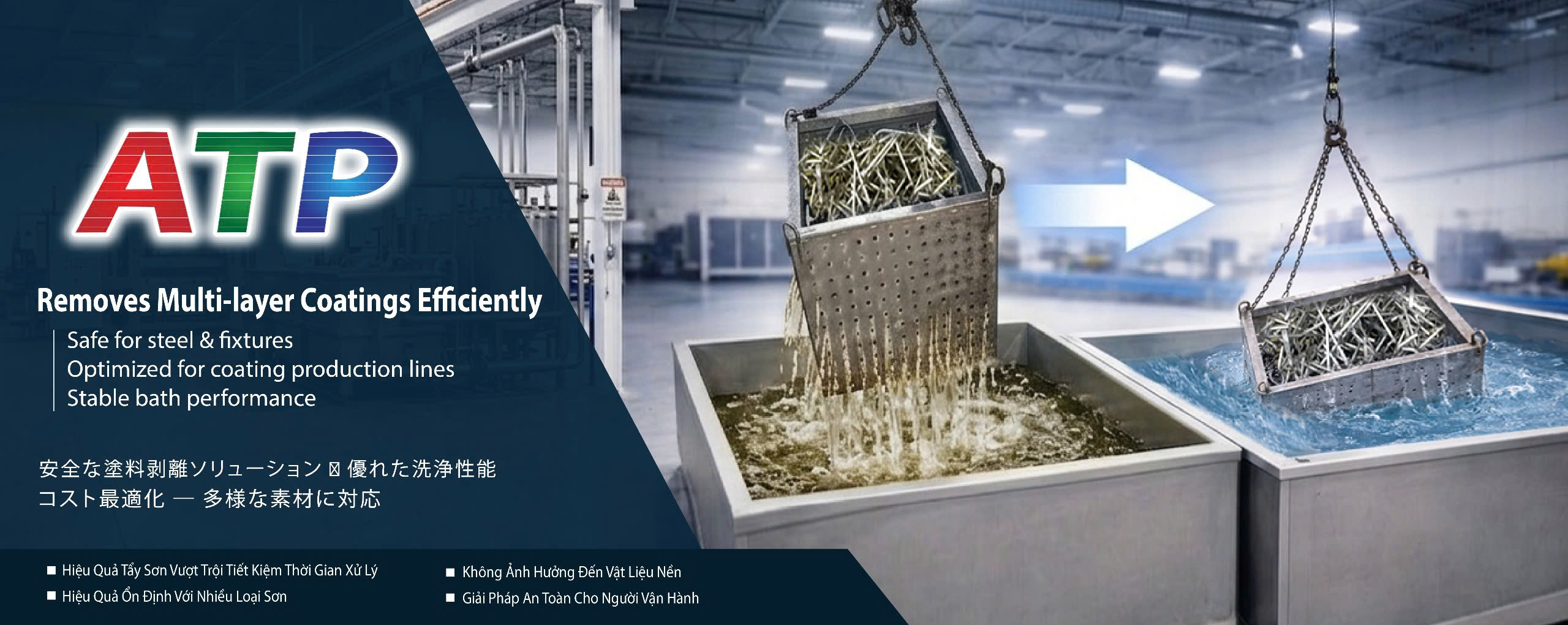


PAINT REMOVAL TECHNOLOGIES IN THE MARKET
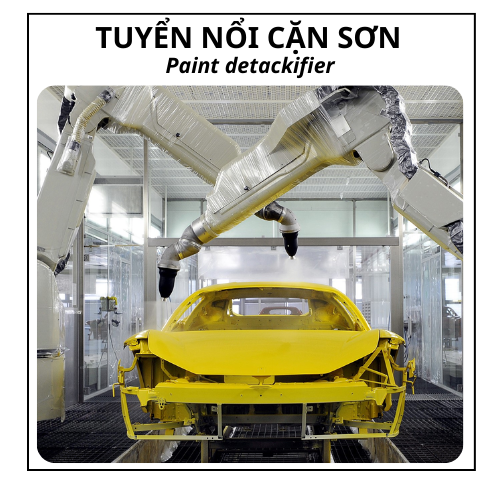
In industries such as powder coating, component manufacturing, mechanical engineering, and automotive production, the removal of old paint, defective coatings, or cleaning of jigs and fixtures is a frequent requirement. Paint stripping chemicals have therefore become an essential solution to help businesses optimize costs and improve production efficiency.
Currently, paint removers can be classified into several main groups:
Solvent-based Paint Removers
Typically contain methylene chloride, NMP, or organic solvents. They provide fast and highly effective paint removal. However, they have strong odors and high volatility.
Alkaline-based Paint Removers
Mainly composed of alkaline chemicals. They offer fast stripping performance and low cost. However, improper control may lead to corrosion of material surfaces.
Environmentally Friendly Paint Removers
Free from harmful solvents; low odor and safer for operators; aligned with green manufacturing trends. However, the stripping time may be longer compared to conventional products.
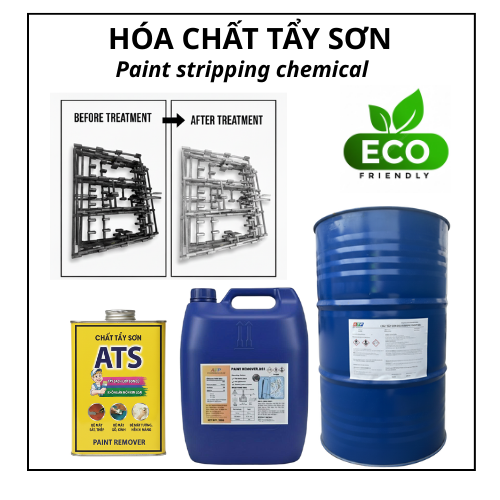
In response to increasingly stringent market requirements regarding stripping efficiency, operational safety, and environmental factors, traditional solutions are showing many limitations. ATP has focused on researching and developing specialized paint remover products, flexibly designed to meet the practical needs of each business.
From high-speed paint removers for large-scale production lines to environmentally friendly and user-safe solutions, ATP offers a diverse product portfolio optimized for both treatment efficiency and operating costs.
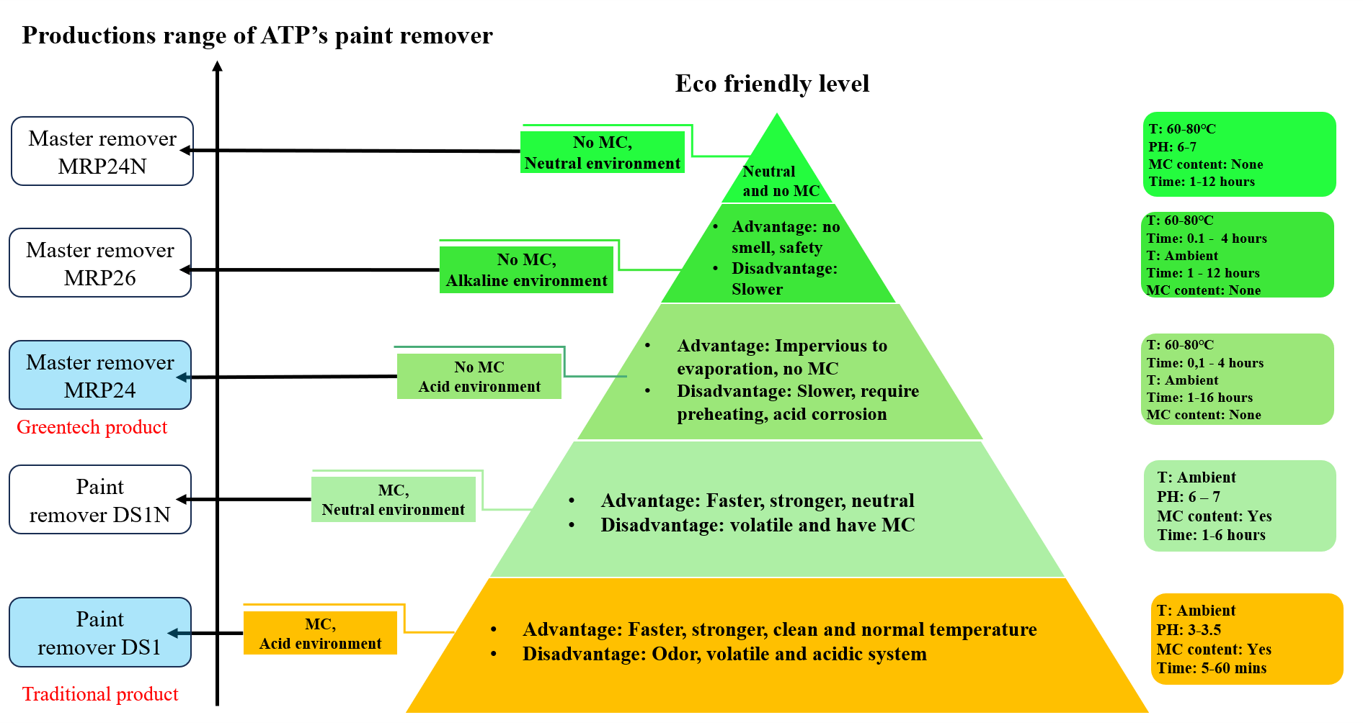
ATP Paint Remover Product Lines:
EQUIPMENT & USAGE GUIDELINES
- To minimize chemical loss due to evaporation, the stripping tank should be equipped with a tightly sealed cover. The pump inlet should be positioned at least 30 cm (12 inches) above the bottom of the tank to reduce foam formation.
- Paint stripping is a process prone to contamination; therefore, a filtration system should be used to remove solid paint residues and extend the solution’s lifespan. Manual removal using a skimmer is also possible.
Operating Instructions
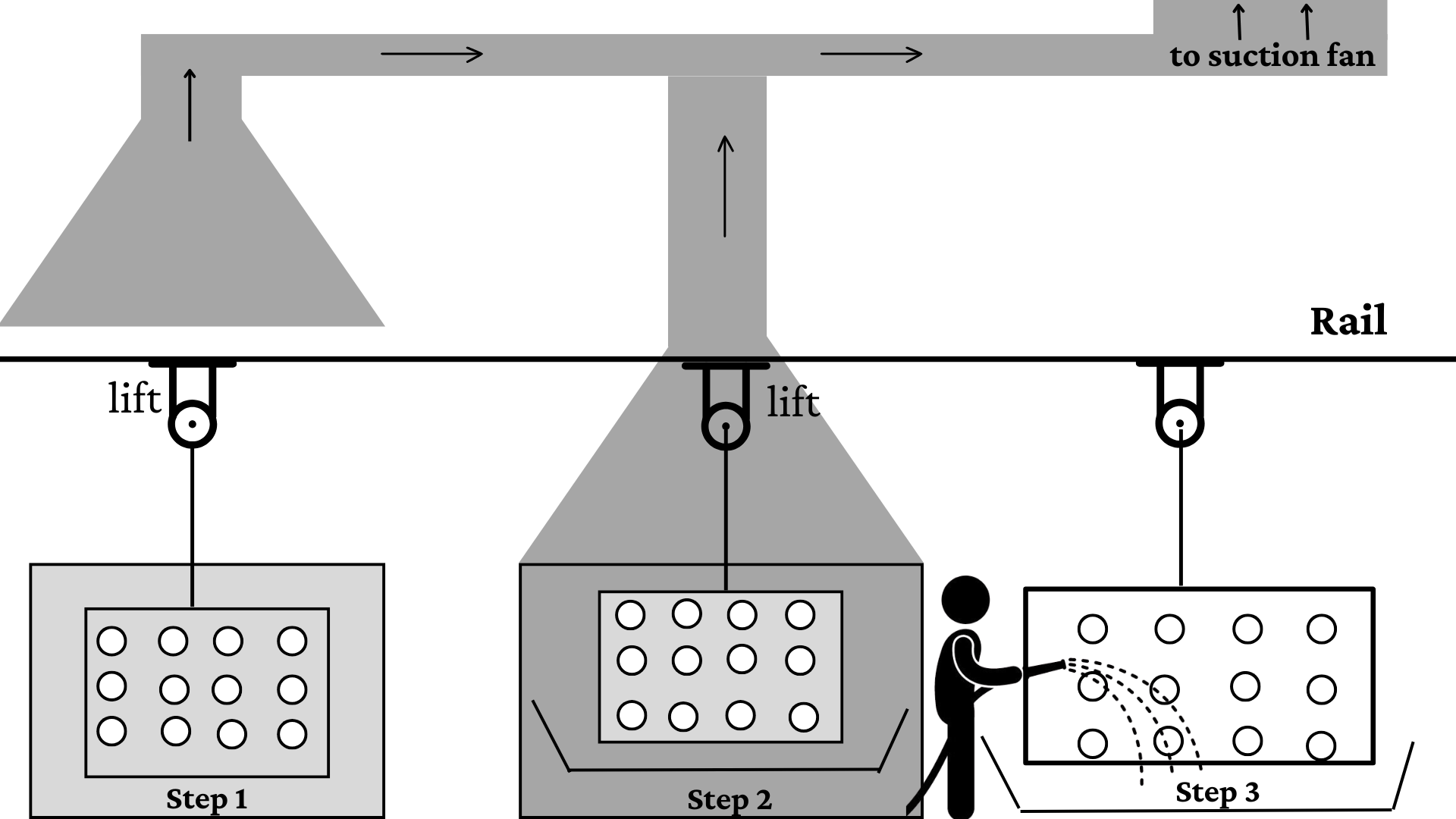
- Prepare an immersion tank with a tight-fitting lid. Add ATP Paint Remover into the tank.
Note: Use undiluted; do not dilute. - Immerse the basket containing jigs or parts into the tank. Stripping time depends on various factors such as chemical type, operating conditions, paint type and thickness, and part geometry.
- After completion, lift the parts and allow excess solution to drain back into the tank. To reduce chemical drag-out, rinse with a fine mist spray above the tank, followed by water rinsing in a clean tank with aeration and overflow.
- Alternative rinsing method:
Use clean water with automatic or manual spraying over an empty tank. This method helps reduce the volume of wastewater requiring treatment.
Note: Reuse rinse water to compensate for chemical loss in the stripping bath.
SAFETY & STORAGE
- Avoid direct contact with the solution
- Use appropriate PPE (goggles, rubber gloves, masks, protective clothing, etc.)
- Operate in well-ventilated areas or use exhaust systems
- Treat wastewater in accordance with current regulations
- Xử lý nước thải theo quy định hiện hành.
Thương hiệu liên quan